
Tahir Mushtaq
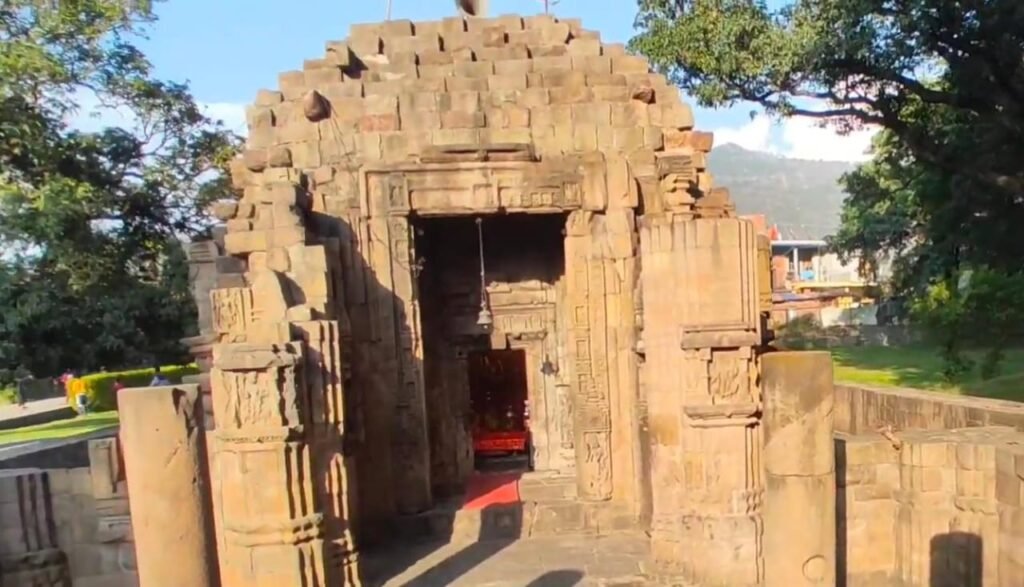
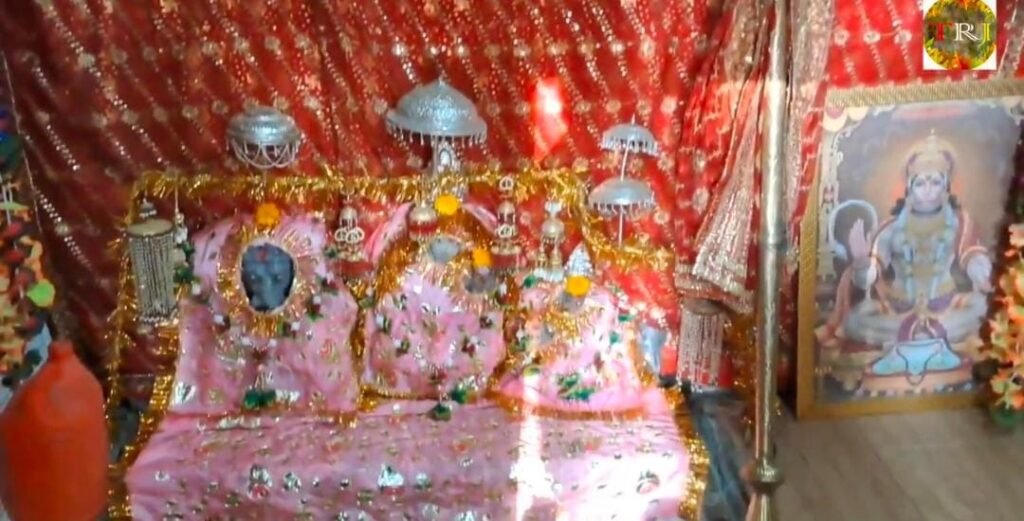
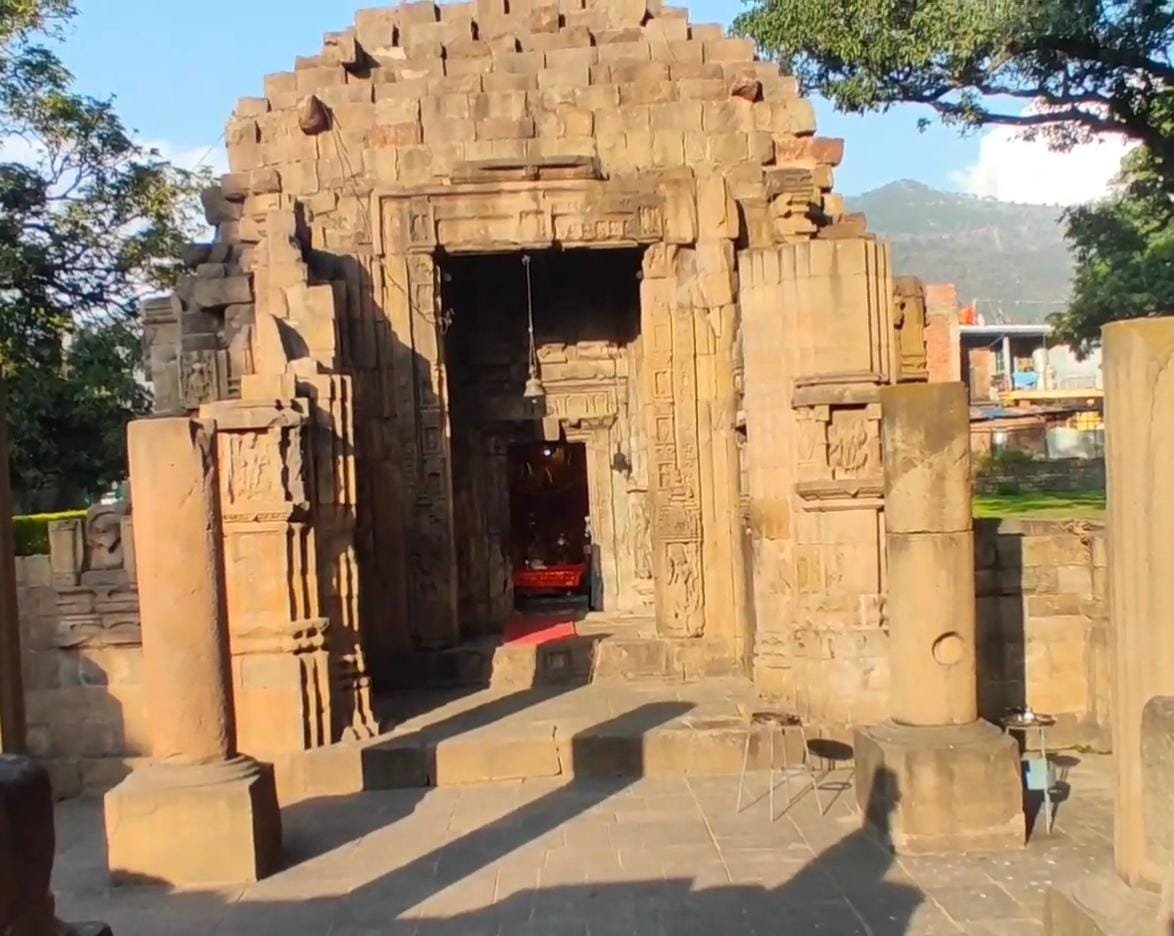
Ramban,DD, Nestled in the serene village of Manwal, in the Udhampur district of Jammu and Kashmir, the ancient Devi Bhagwati Temple stands as a quiet testament to India’s rich cultural and spiritual heritage. Though modest in size and appearance, the temple holds immense significance for both historians and devotees alike.
Local tradition holds that the temple is over a thousand years old, with some believing it dates back to the era of the Pandavas from the Mahabharata. While this connection remains outside the realm of documented history, the faith and stories passed down through generations enrich the temple’s mystique and sanctity.
Under the stewardship of the Archaeological Survey of India (ASI), the temple is recognised for its historical and architectural value. Visitors are greeted by intricately carved stone pillars, rock engravings, and ancient walls that, though weathered by time, evoke a profound sense of reverence and timelessness. These features underscore the temple’s importance as a cultural relic, preserved in its natural, untouched state.
Excavations around the temple site often reveal stone sculptures and idols, hinting at the possibility that the temple complex was once far more expansive than it is today. These discoveries add layers to the temple’s narrative, bridging history with spirituality.
Despite its relative obscurity as a tourist destination, the Devi Bhagwati Temple offers a unique experience for those drawn to history, archaeology, and devotion. Located just a five-minute walk from the main road, it provides a tranquil retreat where one can reflect and connect with India’s ancient traditions.
With increased awareness and conservation efforts, this hidden gem in Manwal holds the potential to emerge as a prominent cultural and heritage landmark in Jammu and Kashmir.DD