
A single miscalculation can trigger full – scale war in Caribbean Sea as it becomes world’s most volatile flashpoint
Diplomat Foreign Desk
Caracas: As the war clouds over the Gulf of Venezuela, the Caribbean Sea has transformed from a tropical transit zone into the world’s most volatile flashpoint amid rise in tension between US and Venezuela apparently a “proxy conflict similar to cold war – era standoffs.”
The decades of diplomatic friction between Washington and Caracas have culminated in a high – stakes military confrontation that many fear could ignite the first major state – on – state conflict in the Western Hemisphere in over thirty years.
Seizure of the Skipper and Centuries: The immediate substance for the current crisis was the dramatic high-seas seizure of the oil tanker Skipper on December 10, 2024. In an operation dubbed “Southern Spear,” US Marines and Coast Guard personnel descended from helicopters launched from the USS Gerald R. Ford to take control of the vessel shortly after it departed a Venezuelan port.
The U.S. justified the seizure by designating Venezuela’s military leadership, the “Cartel de los Soles” as a global terrorist organization, alleging that the oil proceeds were being used to fund “narco-terrorism.”
Just days later, on December 20, U.S. forces intercepted a second vessel, the Panama-flagged Centuries, carrying 1.8 million barrels of crude oil. Meanwhile, US President Donald Trump’s administration has since declared a “total and complete blockade” of all sanctioned Venezuelan oil, signaling a shift from economic pressure to active maritime interdiction.
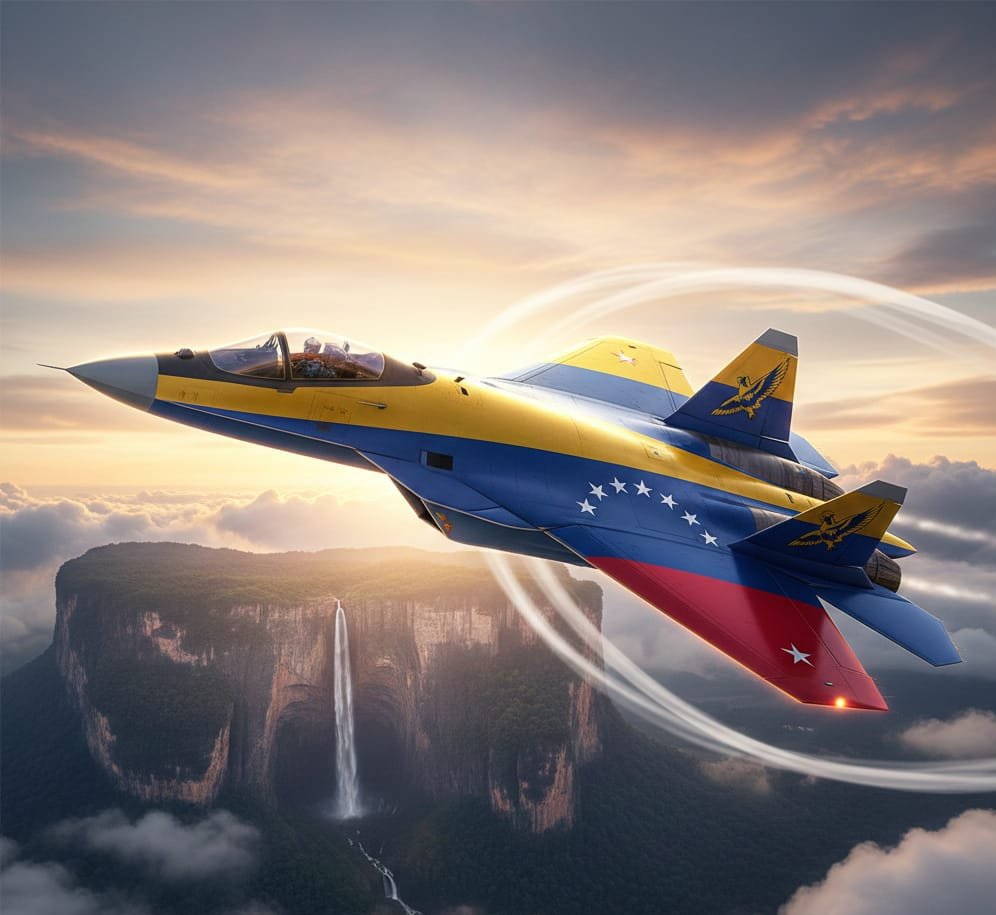
Venezuela’s Russian Su-57s flew over US Navy Ships: In response to the blockade, President Nicolás Maduro’s Govt has pivoted to a “sovereignty defense” posture. The most provocative moment occurred when the Venezuelan Air Force scrambled Russian – made Su – 57 stealth fighters – advanced fifth-generation aircraft recently integrated into their arsenal through a 2025 strategic partnership with Moscow – to perform low – altitude flyovers of US Navy crafts in the Gulf of Venezuela.
These maneuvers by Russian warplanes were described by the Pentagon as “highly provocative” and “unprofessional.”
For Caracas, the jets are a symbol of their refusal to back down; for Washington, the presence of Russian stealth technology so close to US carrier groups represents an intolerable security threat.
How Both Nations Reached This Brink: The path to this confrontation was paved by a series of rapid escalations throughout 2025 i.e., disputed Elections following the controversial July 2024 election, the U.S. officially withdrew all recognition of the Maduro Govt, declaring it illegitimate.
At the same time, the US Department of State doubled the reward for information leading to Maduro’s arrest to $ 50 million, effectively shifting policy from “regime change” to “leadership decapitation.”
Reference of Kinetic Strikes: Since September 2025, the US Navy has conducted over 28 strikes on suspected smuggling vessels, resulting in over 100 casualties. These operations, aimed at “drug cartels,” have been condemned by Caracas as extrajudicial murders and a precursor to invasion.
Russian Factor: In late 2025, Russia and Venezuela ratified a 10 – year strategic partnership treaty. Moscow has provided not only hardware like the Su-57s but also “technical advisors,” raising the specter of a proxy conflict similar to cold war-era standoffs.
Region on Edge: the USS Gerald R. Ford carrier strike group remains stationed off the Venezuelan coast. The commercial shipping in the region has ground to a halt as insurance premiums skyrocket, and the “shadow fleet” of tankers used by Venezuela to bypass sanctions is effectively pinned in port.
With diplomatic channels severed and both militaries operating at peak readiness, a single miscalculation during an aerial intercept or a boarding operation could trigger a full-scale war.