
Imran Shah
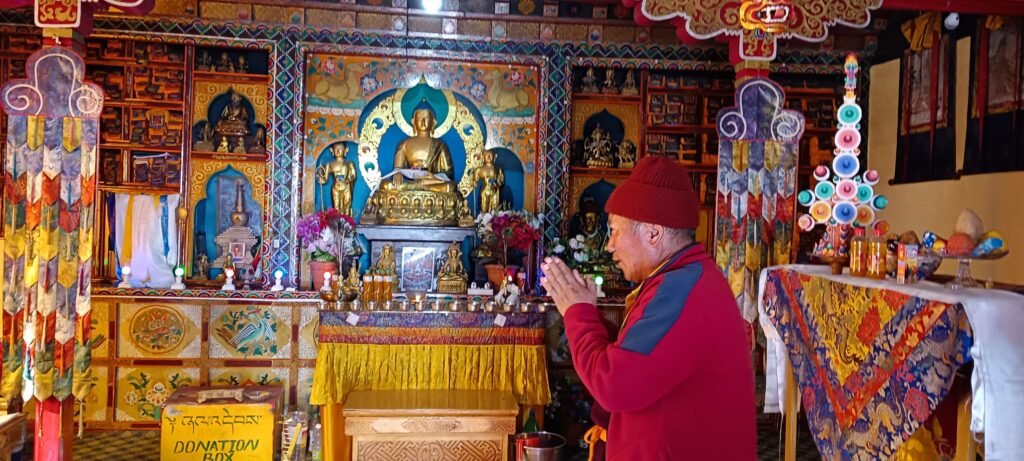
Kishtwar, (TDD): The Lone Gompa, located in the picturesque Paddar area of Kishtwar in Jammu and Kashmir, is a significant spiritual and cultural landmark.
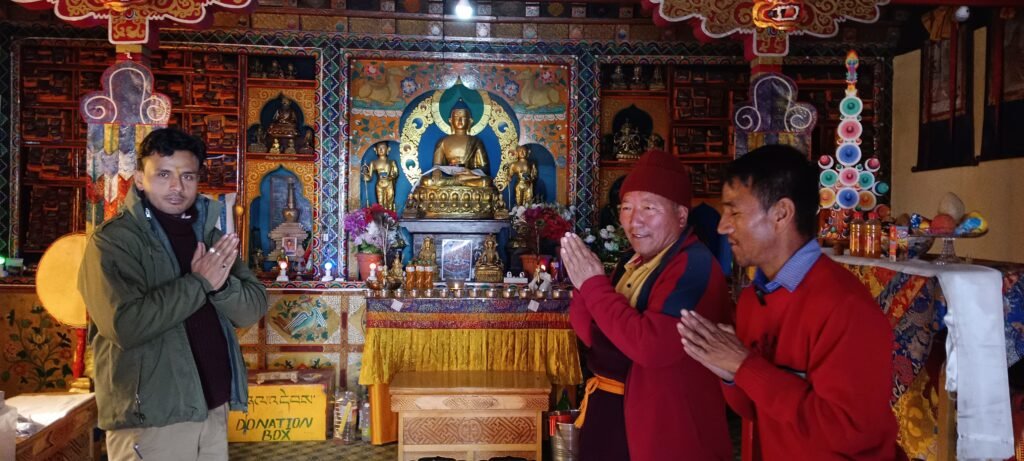
Nestled amidst the rugged mountains and pristine valleys, this Buddhist temple serves as a beacon of faith for the local Buddhist community and symbolizes the deep-rooted traditions of the region. Often referred to as a “mini Ladakh,” the Paddar area, with its unique cultural blend and natural beauty, offers a glimpse into the rich Buddhist heritage typically associated with Ladakh.
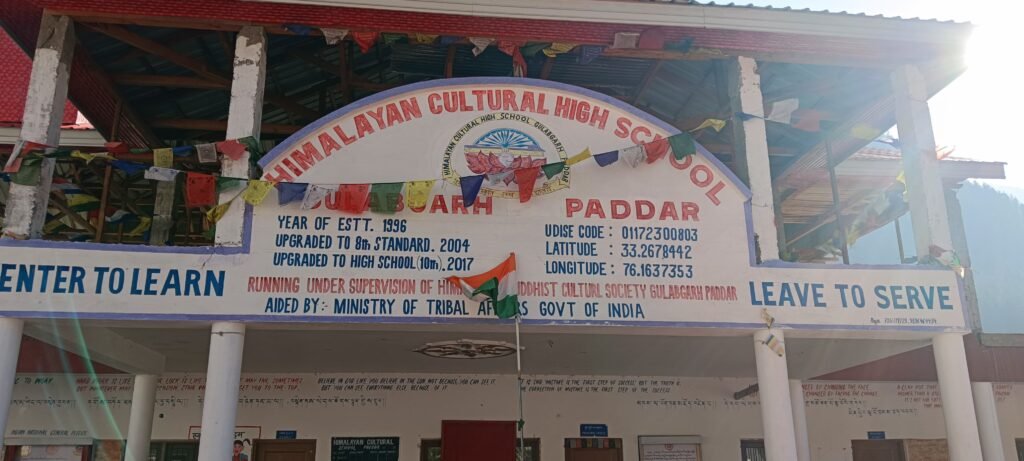
The Gompa plays a central role in preserving the age-old customs, rituals, and teachings of Buddhism, which have been passed down through generations. Its traditional architecture, adorned with vibrant prayer flags, intricate murals, and sacred scriptures, reflects the essence of Himalayan Buddhist culture. Monks residing in the temple lead prayers, meditations, and ceremonies that continue to inspire and unite the local community.
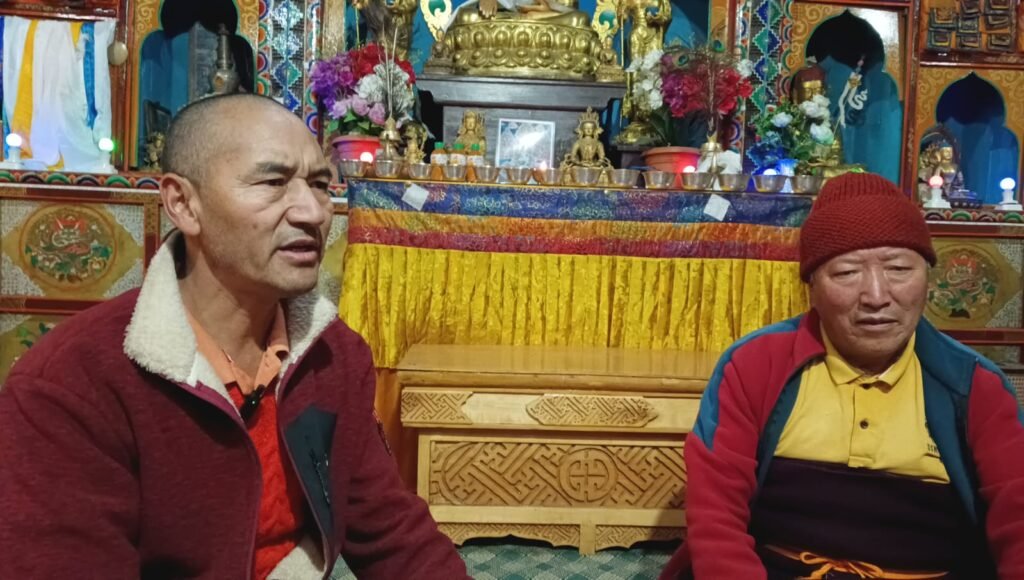
Beyond its spiritual significance, the Lone Gompa stands as a testament to the harmonious coexistence of diverse cultures in the Kishtwar region. The Paddar area is known for its religious and cultural diversity, where Hinduism, Buddhism, and other faiths coexist peacefully. The monastery fosters a sense of community and shared heritage, bringing together people from various backgrounds during festivals and celebrations.
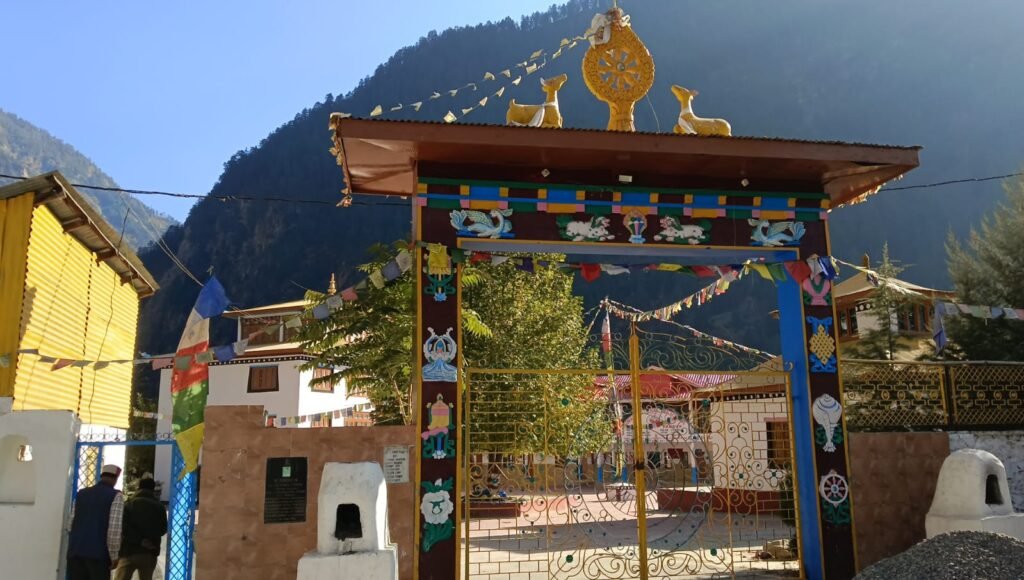
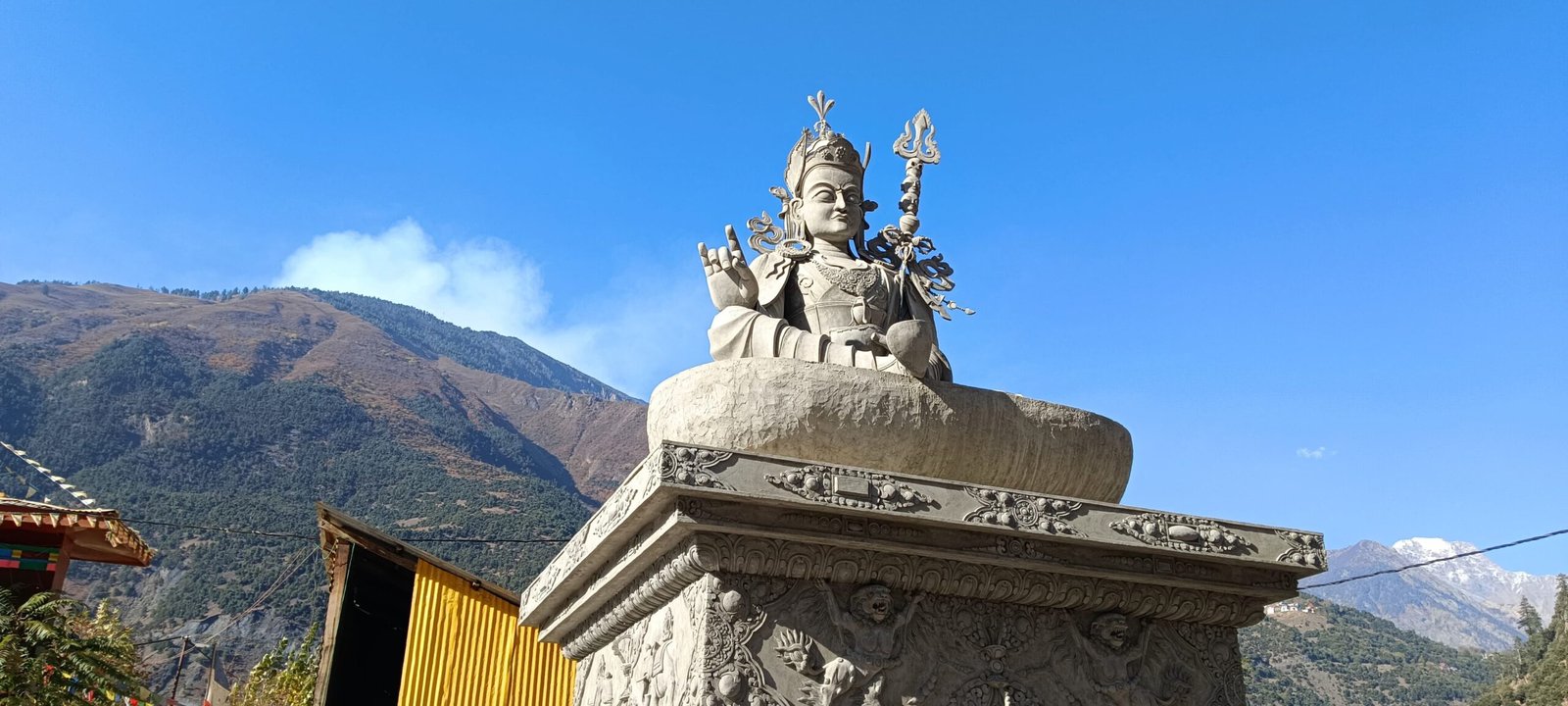
The Paddar region, known for its unparalleled natural beauty, is also famous for its sapphire mines and trekking routes. Tourists and adventurers visiting the area are often drawn to the Gompa, not just for its spiritual aura but also for the breathtaking views it offers of the surrounding mountains. The temple thus serves as both a spiritual haven and a cultural landmark, bridging the past and present.
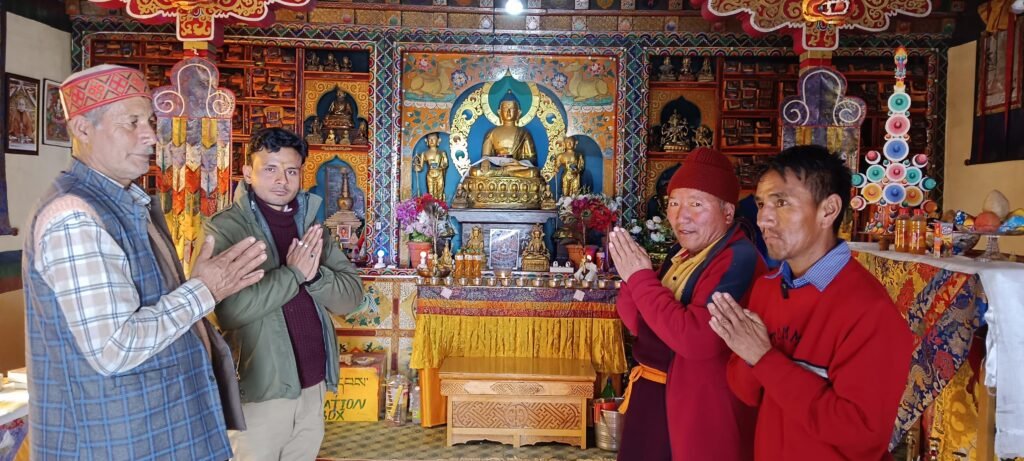
In a modern world where traditions are often overshadowed by change, the Lone Gompa continues to uphold and celebrate the timeless teachings of Buddhism, making it a cherished part of the cultural mosaic of Jammu and Kashmir.(TDD)