
Imran Shah
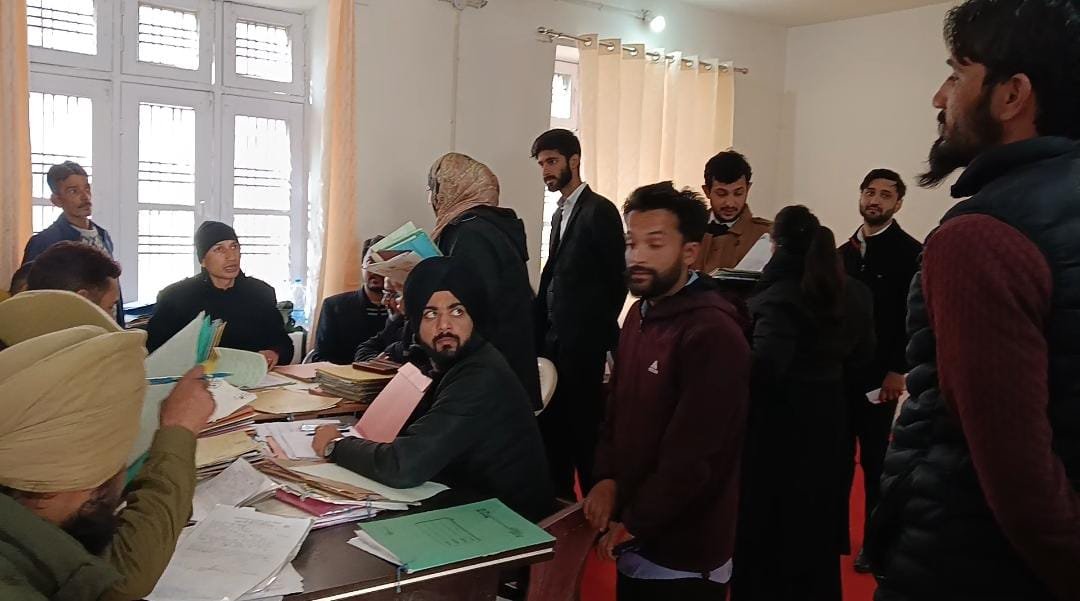
Kishtwar, TDD,On a chilly morning of November 26, the quiet town of Paddar in the Kishtwar district came alive with a rare bustle of activity. The people gathered outside the camp court with files, hope and anticipation. Munsiff Judge (Judicial Magistrate First Class) Karan Bijyal had arrived to preside over the camp court—a judicial outreach initiative to bring justice closer to the people of remote areas like Paddar.
The camp was a strategic attempt to address a backlog of cases and ensure justice for those who often struggled to access the district court in Kishtwar due to distance and terrain. Over 110 cases were listed for the two-day camp, a daunting task but one that the judicial system had committed itself to addressing.
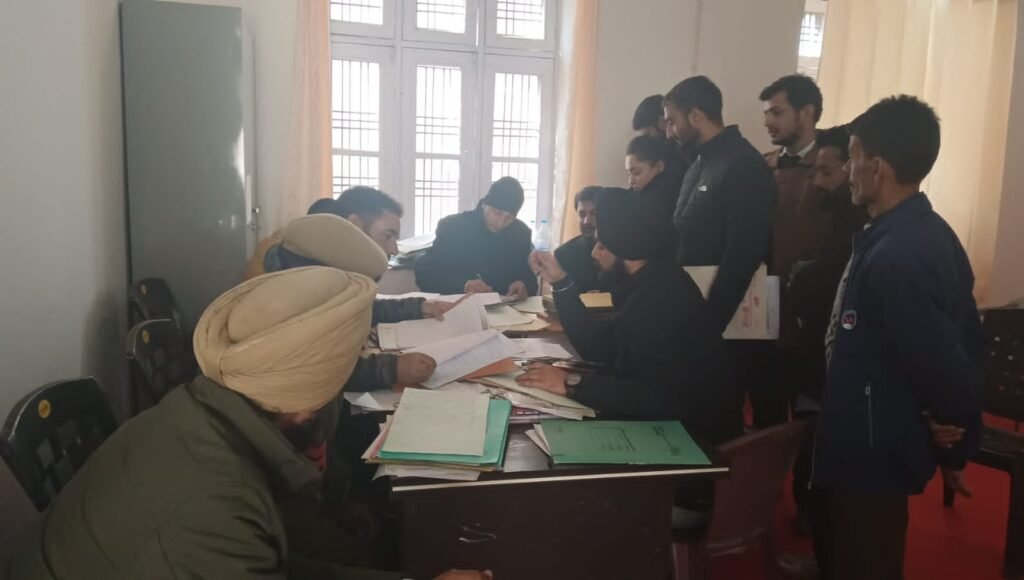
Morning Session: The Wheels of Justice Begin Turning
As the session began, Judge Bijyal took his seat with a calm yet focused demeanor. Residents streamed into the courtroom, some presenting civil disputes, while others sought resolutions for criminal cases, traffic challans, and long-pending matters.
The first half of the day saw the resolution of family disputes and minor civil cases. A farmer, for instance, had been locked in a land dispute with his neighbor for years. After careful review and mediation, the court helped them reach an amicable settlement, bringing smiles to both parties.
A few minutes later, a young woman stepped forward seeking justice for unpaid wages from her employer. The judge’s decisive ruling ensured that the employer was ordered to clear all dues promptly. For many, it was a day of long-awaited relief.
Traffic Challans: Swift Disposal, Fair Judgment
Post-lunch, the courtroom saw an influx of individuals with traffic challans. Most had been fined for violations such as not wearing helmets or carrying overloaded vehicles. Judge Bijyal efficiently handled these cases, balancing accountability with leniency. “This is not just about punishment,” he remarked, “but also about ensuring public safety on our roads.” Several challans were disposed of, with many offenders promising to abide by traffic rules in the future.
Challenges and Achievements
Despite the heavy workload, the court managed to hear and dispose of 40 cases by the end of the day. Each case presented its own challenges—be it the complexity of evidence or the emotions of the people involved. However, the judge’s patient demeanor and clear judgment ensured fairness for all.
Day’s End: Hope for Tomorrow
As the sun set over the picturesque hills of Paddar, the camp court wrapped up for the day. The remaining cases were listed for the next day, and the people left with a sense of accomplishment. Many expressed their gratitude for this initiative, noting how it saved them time and the ordeal of traveling to Kishtwar for hearings.
The camp court in Paddar was more than just a judicial exercise (TDD)