
‘Shifts Accountability to Centre’
TDD Correspondent
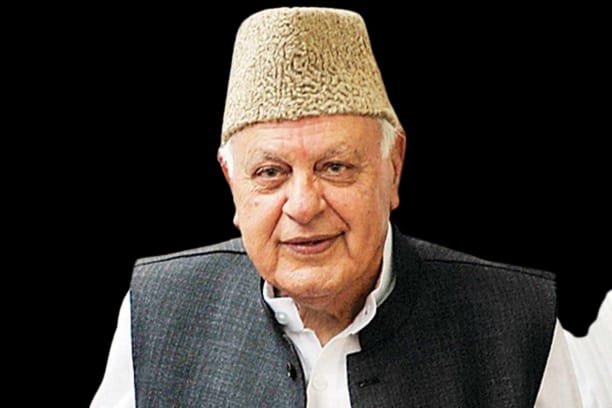
Kathua, TDD, Farooq Abdullah, President of the National Conference today sparked fresh discussion on the sensitive issue of Rohingya refugees in Jammu and Kashmir by calling for a humane approach toward their treatment.
He said that it is India’s moral obligation to provide the refugees with basic amenities such as water and electricity while they reside in the country.
He stated, “The Government of India sent the refugees here.”
Abdullah appeared to hold the central government responsible for their presence, urging it to take ownership of the situation.
The Rohingya, a stateless Muslim minority from Myanmar, have fled persecution and violence in large numbers over the past decade, seeking refuge in countries across South and Southeast Asia, including India. While their plight has elicited global sympathy, their presence in India—particularly in politically sensitive regions like Jammu and Kashmir—has fueled divisive debates.
Critics argue that the Rohingya pose security risks, citing alleged links to extremist groups and concerns about illegal immigration. Others claim their settlement could disrupt local demographic balances and strain limited resources.
Abdullah’s statement underscores a contrasting viewpoint, aligning with humanitarian principles that call for safeguarding the dignity and welfare of refugees. This perspective resonates with India’s obligations under international conventions on refugee protection, despite the fact that India is not a signatory to the 1951 Refugee Convention. Advocates for refugee rights argue that denying basic necessities like water and electricity would not only worsen the refugees’ already precarious living conditions but also tarnish India’s reputation as a nation that historically champions human rights and pluralism.
Abdullah’s comments are likely to draw sharp reactions from political opponents who see the issue through the lens of security and regional stability. The Rohingya presence in Jammu and Kashmir has been a particular flashpoint, with some political groups alleging that their settlement could be exploited for political or communal agendas. These concerns have led to demands for their deportation, despite the lack of clarity on how such actions would align with international norms or India’s bilateral relations with Myanmar.
The debate over Rohingya refugees in India reflects a broader global dilemma: the balance between humanitarian obligations and domestic security concerns. Abdullah’s stance highlights the need for a compassionate yet pragmatic approach to addressing the crisis, urging the central government to lead with responsibility and foresight.
As the issue remains unresolved, his remarks bring to the forefront the tension between India’s historical ethos of inclusivity and the contemporary challenges of geopolitics, security, and resource management. Farooq Abdullah’s call for empathy may not align with prevailing political narratives but serves as a reminder of the human cost of displacement and the ethical imperatives that come with it–(TDD)