
NC calls restrictions ‘unprecedented’; PDP, NC trade barbs online over July 13 legacy
Diplomat Correspondent
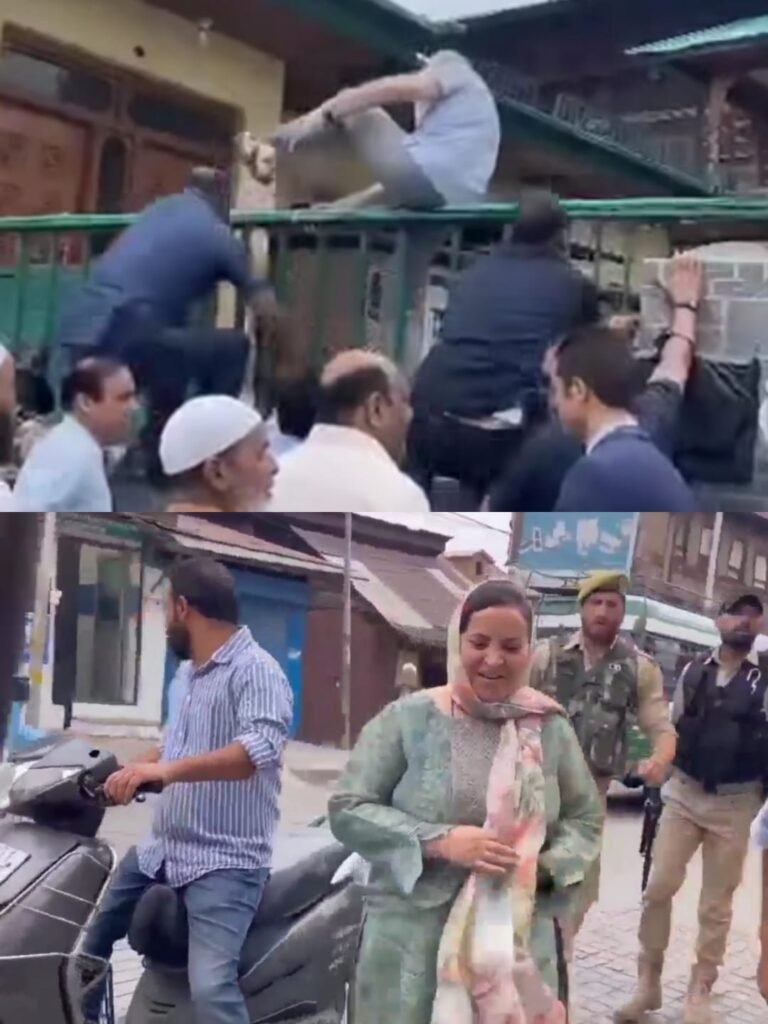
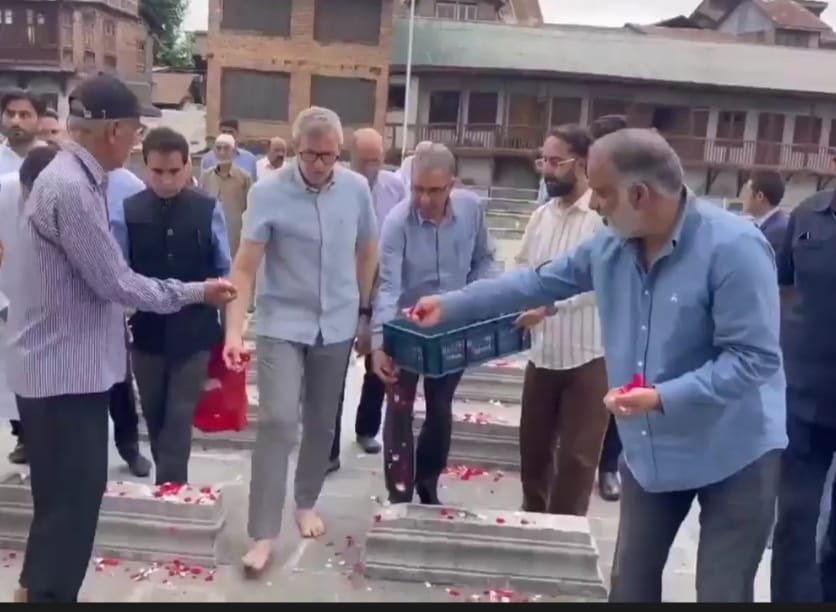
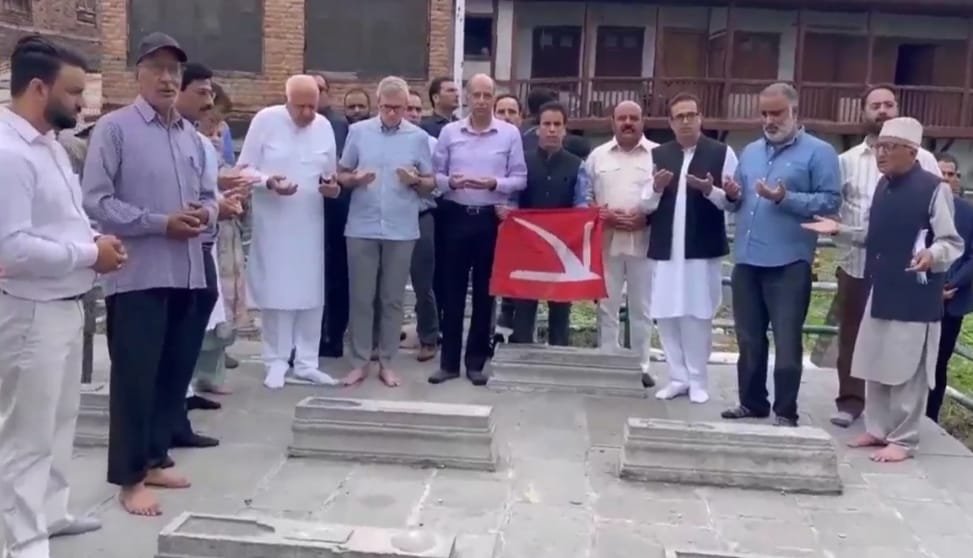
Srinagar, (DD): A day after the Srinagar administration barred political leaders from visiting the Martyrs’ Graveyard at Khawaja Bazar, Nowhatta, Chief Minister Omar Abdullah, along with Deputy Chief Minister Surinder Chowdhary and Health Minister Sakina Itoo, offered floral tributes on Monday to the 22 martyrs of 13 July 1931.
On Saturday, the district administration had denied permission for any political or public gathering at the historic site, citing security reasons. The move sparked sharp criticism from mainstream political parties, especially the National Conference (NC), which traditionally leads the commemorations.
“For the first time in Kashmir’s democratic history, an elected government was locked out by a non-elected administration,” said Tanvir Sadiq, NC’s chief spokesperson and advisor to the Chief Minister. “We had planned a simple and solemn tribute, not a rally. Denying access to elected representatives dishonours the spirit of the day.”
Senior NC leader and political advisor Nasir Wani echoed the sentiment, calling it “a deeply unfortunate precedent.” He added, “This is about remembering those who stood up against tyranny, not about politics. What message does this send to the people?”
Despite the restrictions on 13 July, Chief Minister Omar Abdullah, accompanied by key cabinet colleagues, visited the graveyard early Sunday morning under tight security to pay their respects.
Political Row Online
The matter also spilled onto social media, where NC and PDP leaders traded accusations. PDP’s Waheed Para criticised what he called the “symbolic opportunism” of NC, while NC’s Ifra Jan hit back, accusing the PDP of “double standards” and questioning their silence on the restrictions.
Historic Context
The 13 July 1931 massacre is widely regarded as a pivotal moment in Kashmir’s modern history. On that day, 22 protesters were killed by the Dogra regime outside the Srinagar Central Jail while demanding the release of political prisoner Abdul Qadeer. The day is observed annually as a symbol of resistance against autocratic rule.
Security remained heightened across parts of downtown Srinagar over the weekend, with barricades, deployment of police and paramilitary forces, and drone surveillance to prevent any untoward incidents.
As tributes continue to pour in, the controversy over access to the graveyard has reignited debate over how Kashmir’s political legacy is honoured—and who gets to do the honouring(DD)