
Arun Jasrotia
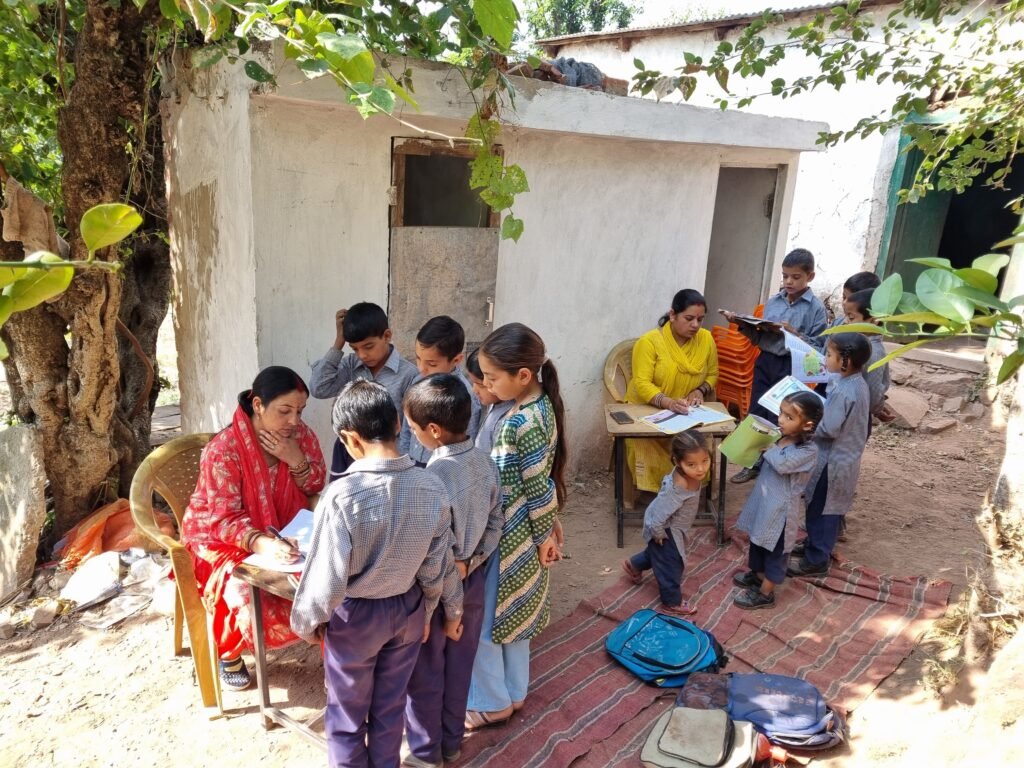
Udhampur ,TDD, In a stark revelation of educational infrastructure gaps in Jammu and Kashmir, students of Primary School Sadal (प्राइमरी स्कूल सदाल) in Udhampur district are fighting a daily battle for their right to education.
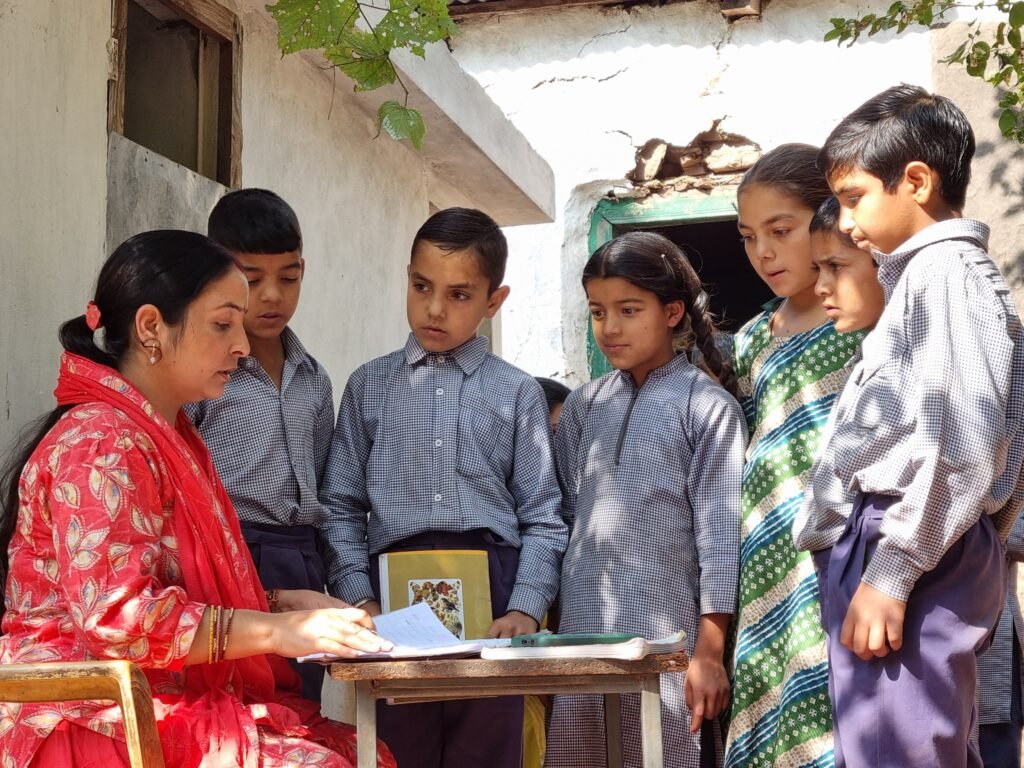
Located in the Narore Panchayat of Panchari Block, these young learners have been attending classes in a deteriorating rent-free building for over a decade, with their repeated pleas for a permanent structure falling on deaf ears.
The current state of their learning environment paints a grim picture of neglect. Students, predominantly from marginalized backgrounds, are forced to study in a makeshift classroom that doubles as a safety hazard. During monsoons, the kutcha house becomes virtually unusable as rainwater seeps in, compelling students to study outdoors and battle the elements. “Our uniforms get dirty, and during the rainy season, we have to sit in puddles,” shares Amar Singh, a student who, along with his peers, has appealed directly to Prime Minister Narendra Modi for intervention.
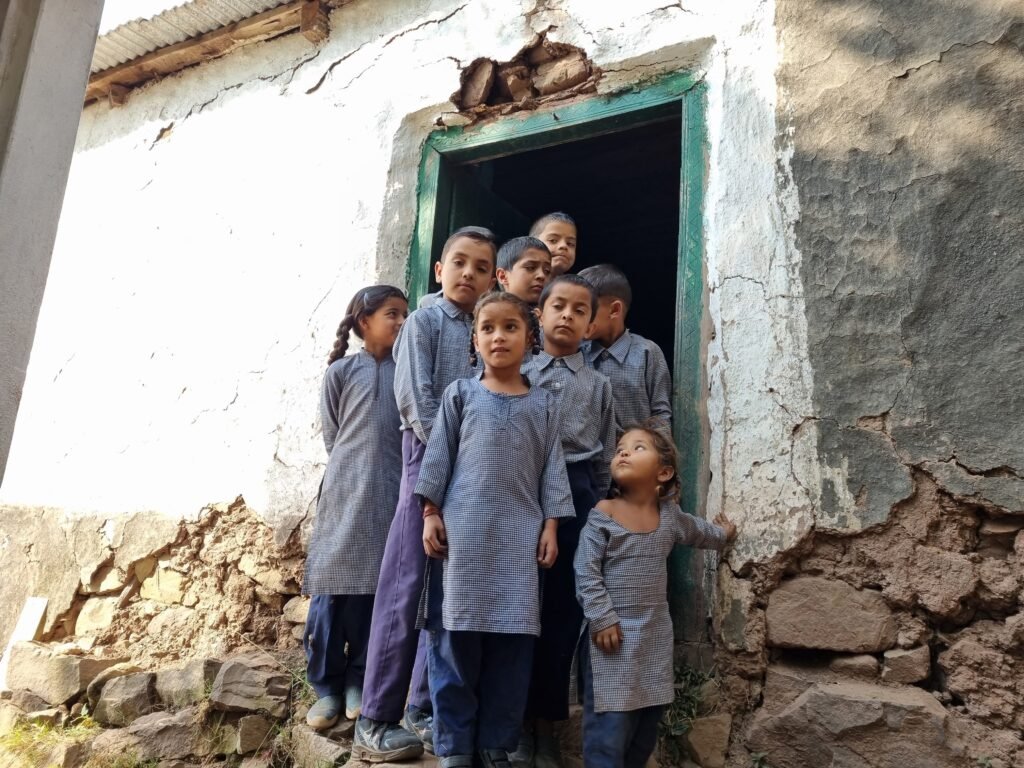
The situation becomes more concerning with the testimony of another student, Tarlochan Singh, who emphasizes the perpetual fear of the building’s collapse. The school’s teacher, Nisha Devi, reveals a broader crisis – despite being established 10-11 years ago, the institution lacks basic amenities including washrooms and a playground, severely compromising the quality of education they can provide.
When confronted with these issues, Kalpana Jasrotia, Deputy Chief Education Officer Udhampur, acknowledged that Primary School Sadal is among 121 government schools operating from rent-free buildings in the region. She outlined a process for addressing the situation, stating, “We instruct our ZEO Concerned to identify State Land with the help of PRI members.” The plan includes land identification, feasibility assessment, and revenue department surveys before including the school in their development plan.
As bureaucratic wheels turn slowly, the students of Primary School Sadal continue their education in conditions that fall far short of government-mandated standards for educational institutions. Their heartfelt appeal to the Prime Minister underscores not just their immediate need for a safe school building, but also highlights the larger issue of educational infrastructure gaps in rural India, where the promise of quality education often remains unfulfilled.TDD