

Experts warn of habitat loss, urge sustainable conservation measures
Diplomat Special Correspondent
Srinagar,(DD): The fragile ecosystem of Kashmir is witnessing a worrying decline in its grasslands, posing a serious threat to its unique and endangered wildlife.
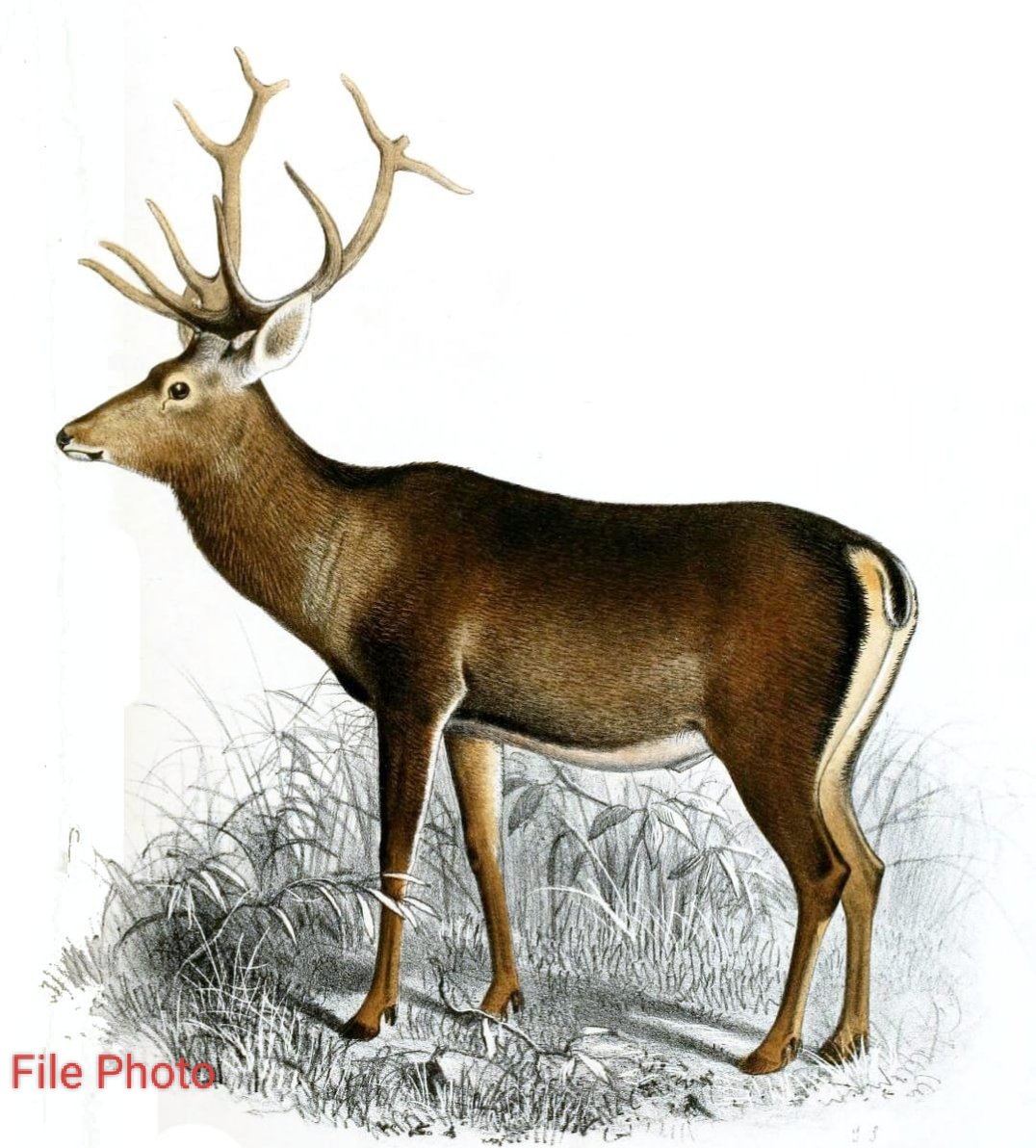
Species like the Hangul (Kashmir stag), Himalayan brown bear, and Markhor (wild goat) are struggling to survive as their natural habitats shrink due to encroachment, deforestation, and climate change.
Kashmir’s vast alpine and subalpine meadows, which once served as vital feeding grounds for herbivores, are rapidly disappearing. Urban expansion, unregulated grazing, and infrastructural projects have led to the degradation of these ecosystems.
Dr. Muzaffar Ahmad, a wildlife conservationist based in Srinagar, warns that the loss of grasslands could lead to a sharp decline in Kashmir’s wildlife populations.
“The Hangul population has already plummeted from over 5,000 in the early 20th century to just around 250 today. The destruction of their habitat is pushing them closer to extinction,” he said.
The depletion of these grasslands affects not just herbivores but also predators like leopards and Himalayan black bears, which rely on a stable food chain. As food sources become scarce, these animals are venturing into human settlements, leading to increased human-wildlife conflicts.
Hilal Bhat, a shepherd from Gurez Valley, shares his concerns: “Over the past decade, I have seen pastures vanish. Livestock struggle to find fodder, and we now see more wild animals near villages, increasing the risk of attacks.”
Wildlife experts stress the need for policy interventions to restore grasslands and protect endangered species.
Dr. Manzoor Shah, an ecologist at Kashmir University, suggests sustainable grazing practices and afforestation drives to revive lost habitats.
“Grasslands must be managed scientifically. Overgrazing and unplanned development must be controlled, and alternative pasturelands should be developed for livestock to prevent excessive pressure on wildlife habitats,” he said.
The Department of Wildlife Protection, J&K, has launched initiatives such as habitat restoration and anti-poaching drives, but conservationists believe stronger legal enforcement and community participation are crucial.
With rapid urbanization threatening Kashmir’s ecological balance, experts argue that conservation efforts must go hand in hand with development. Unless urgent steps are taken, Kashmir’s iconic wildlife could soon disappear, leaving an irreplaceable void in the region’s rich biodiversity.
As Dr. Muzaffar Ahmad aptly puts it: “Protecting Kashmir’s grasslands is not just about saving animals; it’s about preserving an entire ecosystem that supports both nature and people.”(DD)