
Climate change, declining yields, market neglect push centuries-old heritage crop into crisis
Diplomat Correspondent
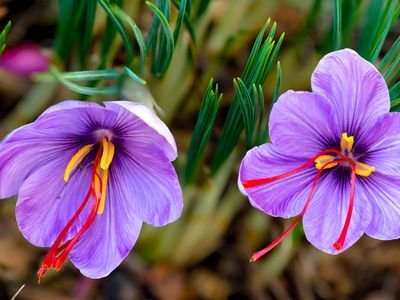
Pampore,(DD): In the golden fields of Pampore — once known as the “Saffron Town of Kashmir” — silence now grows louder than the harvest. The famed Kashmiri saffron, renowned for its deep colour, strong aroma, and unmatched quality, is teetering on the brink of collapse.
Farmers who once prided themselves on cultivating one of the world’s most prized spices now speak of falling yields, erratic weather, and market apathy.
“This land gave us identity and dignity. Now, it gives us nothing but debt,” says Ghulam Nabi, a third-generation saffron farmer from Lethpora. “What used to be 4-5 kilograms per kanal is now barely a few grams.”
Experts attribute the crisis to a combination of climate change, unpredictable rainfall, and shrinking traditional farming practices. Once a thriving symbol of Kashmiri pride and economic strength, saffron cultivation has seen a steep decline over the past decade.
While the government had launched the National Saffron Mission with much fanfare — promising irrigation, GI tagging, and infrastructure support — farmers on the ground say implementation has been patchy and inadequate.
“Yes, we have GI tag, but what’s the use if we can’t grow enough to sell?” asks Shabir Ahmad, another farmer. “Our irrigation system is incomplete. Rainfall is either too little or too much. There is no storage, no pricing support, and no buyer confidence.”
Adding to the woes, cheaper saffron imports from Iran and Afghanistan are flooding Indian markets, making it even harder for Kashmiri growers to compete.
Market experts warn that unless urgent steps are taken — such as improving irrigation infrastructure, providing price support, modernising processing units, and enhancing branding — Kashmir may lose not just a crop, but a cultural legacy dating back over 2,500 years.
In the words of a local agricultural officer: “Saffron isn’t just a crop in Kashmir — it’s history, identity, and survival. If it dies, a part of Kashmir dies with it.”(DD)