
TDD Special Correspondent
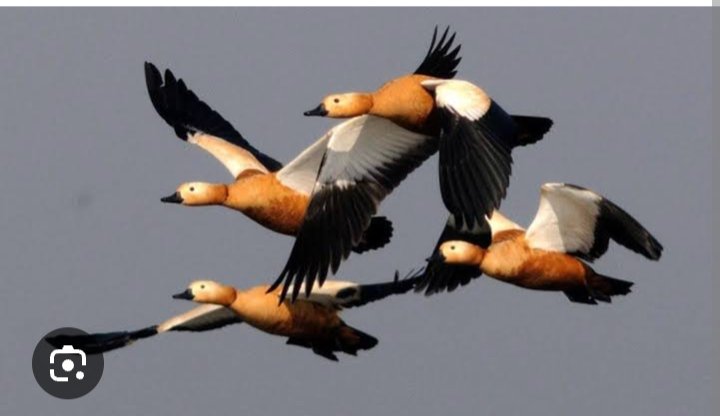
Srinagar, TDD,Every winter, Kashmir’s wetlands come alive as millions of migratory birds from Siberia, China, and Eastern Europe arrive to escape the severe cold of their native habitats.
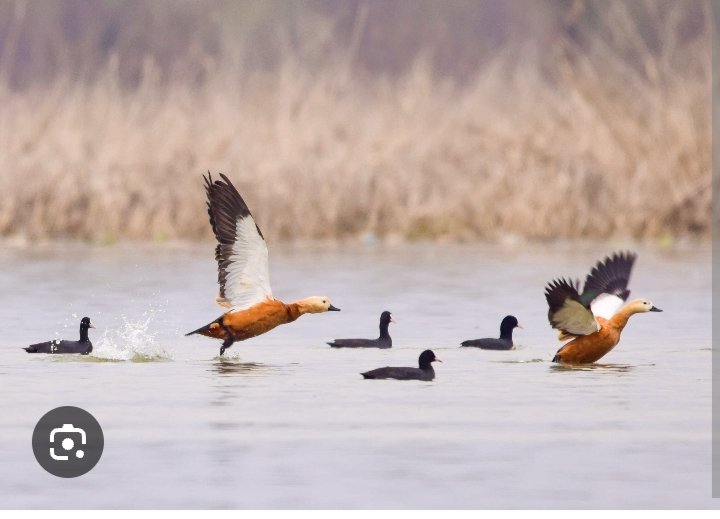
Wetlands like Wullar Lake, Hokersar, Hygam, and Shallbough host a variety of bird species, including mallards, gadwalls, greylag geese, pintails, and the recently spotted rare Great Bittern, which has thrilled ornithologists and conservationists alike.
Dr. Nazir Ahmed, a noted ornithologist, highlights the ecological importance of these migrations: “Kashmir’s wetlands are vital stopovers for migratory birds. They offer safe havens for feeding, breeding, and resting during long journeys. Protecting these habitats ensures the survival of many globally significant species.”
Among the wetlands, Wullar Lake stands out as a beacon of conservation success. Known as one of Asia’s largest freshwater lakes, it has seen significant ecological recovery due to ongoing restoration efforts. Clean water and improved habitats have attracted rare species like the Falcated Duck and Long-tailed Duck. “The sighting of rare birds in Wullar Lake is a testament to the success of our conservation efforts,” says Wildlife Department official Bilal Dar. “It shows that our commitment to habitat restoration is yielding results.”
The government has invested over Rs 300 crore in conservation over three years, focusing on habitat restoration, water level maintenance, and anti-poaching measures. Stronger enforcement has led to the confiscation of illegal weapons, including punt guns used by poachers. “Poaching is a persistent challenge, but our teams are working tirelessly to prevent such threats,” adds Dar.
The migratory season, which runs from October to March, is not just a boon for biodiversity but also a cultural and economic boost. Bird watchers, photographers, and nature enthusiasts flock to the Valley, adding to its allure as an eco-tourism hub. Dr. Ahmed notes, “These migrations are a centuries-old natural phenomenon. Beyond their ecological significance, they serve as a reminder of the interconnectedness of global ecosystems.”
The arrival of these avian visitors underscores the need for sustained conservation efforts. As the Wildlife Department’s annual census reports over 12 lakh birds visiting the region, the wetlands of Kashmir remain a crucial refuge for migratory species and a symbol of the Valley’s rich natural heritage.(TDD)