
Diplomat Correspondent
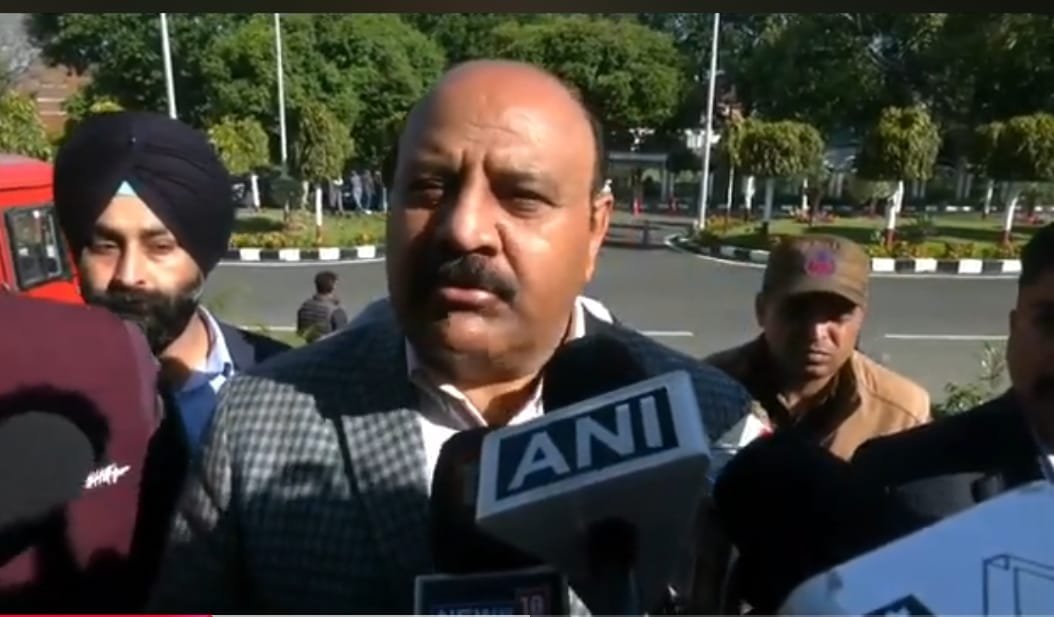
Jammu,(DD) Jammu and Kashmir Deputy Chief Minister Surinder Choudhary sparked a debate on Wednesday by drawing a sharp distinction between the erstwhile Dogra monarchy and the current democratic governance. Speaking to reporters outside the Assembly in Jammu, Choudhary asserted that the Maharajas were “not elected rulers” and described them as “dictators.”
“Nothing wrong in saying Maharajas were dictators. Can’t say PM Modi is a dictator as he is elected,” he stated, emphasizing that the legitimacy of leaders in a democracy comes through elections and public mandate, unlike hereditary monarchies.
Choudhary’s remarks come at a time when discussions about Jammu and Kashmir’s historical legacy, political identity, and governance structure remain a sensitive subject. The Dogra rule, particularly under Maharaja Hari Singh, continues to evoke mixed reactions—with some crediting it for administrative reforms and others recalling oppressive policies, particularly against Muslims. His statement is likely to stir political and regional sentiments, especially among those who hold the Dogra dynasty in high regard.
Addressing the protests against him, Choudhary responded with a dismissive tone, stating, “If my effigies are burnt, then I have become a leader, which is a good thing.” His remark suggests that he views political criticism and demonstrations as a sign of his growing influence.
He also spoke about the significance of respecting historical sacrifices, particularly referencing the July 13, 1931, martyrs. “Martyrs of any place or nation can’t be disgraced,” he said, likely addressing concerns over attempts to downplay or discredit certain historical events in Jammu and Kashmir’s political discourse.
Choudhary’s remarks are expected to draw sharp reactions from pro-Dogra groups, political parties, and royalist factions who have often defended Maharaja Hari Singh’s rule, particularly in Jammu(DD)