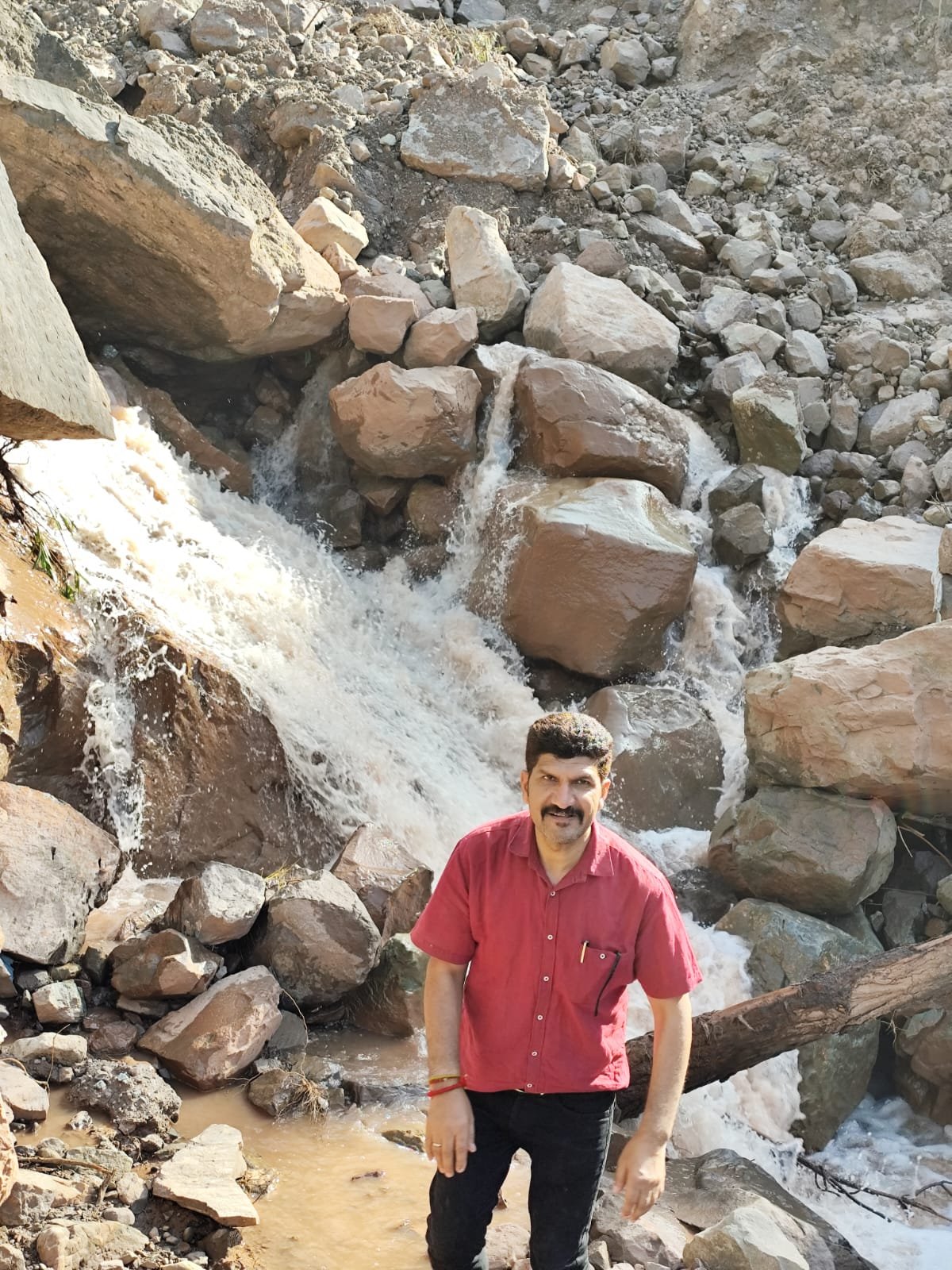
By Dr. Yudhbir Singh, Assistant Professor, Department of Geology, University of Jammu
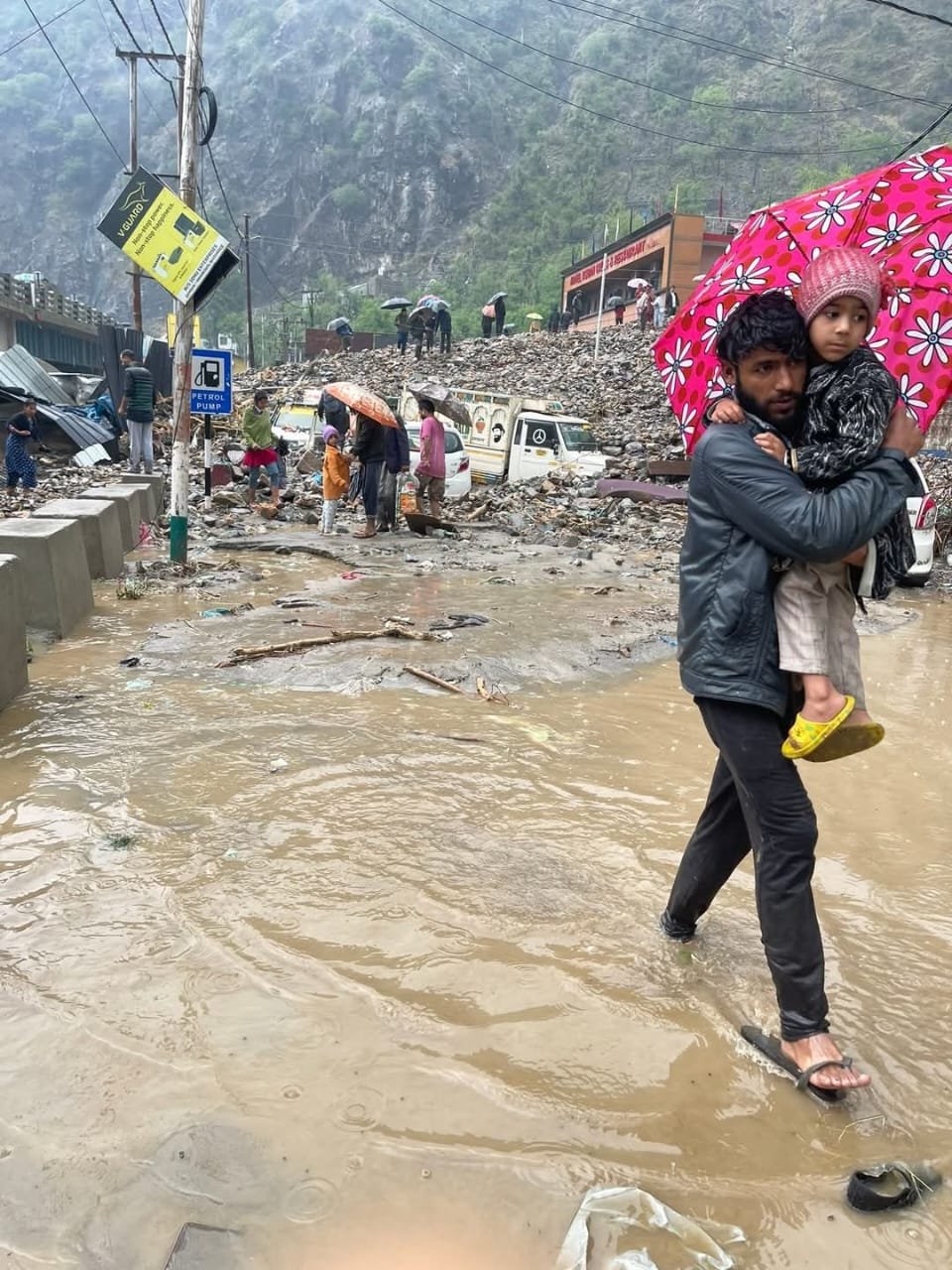
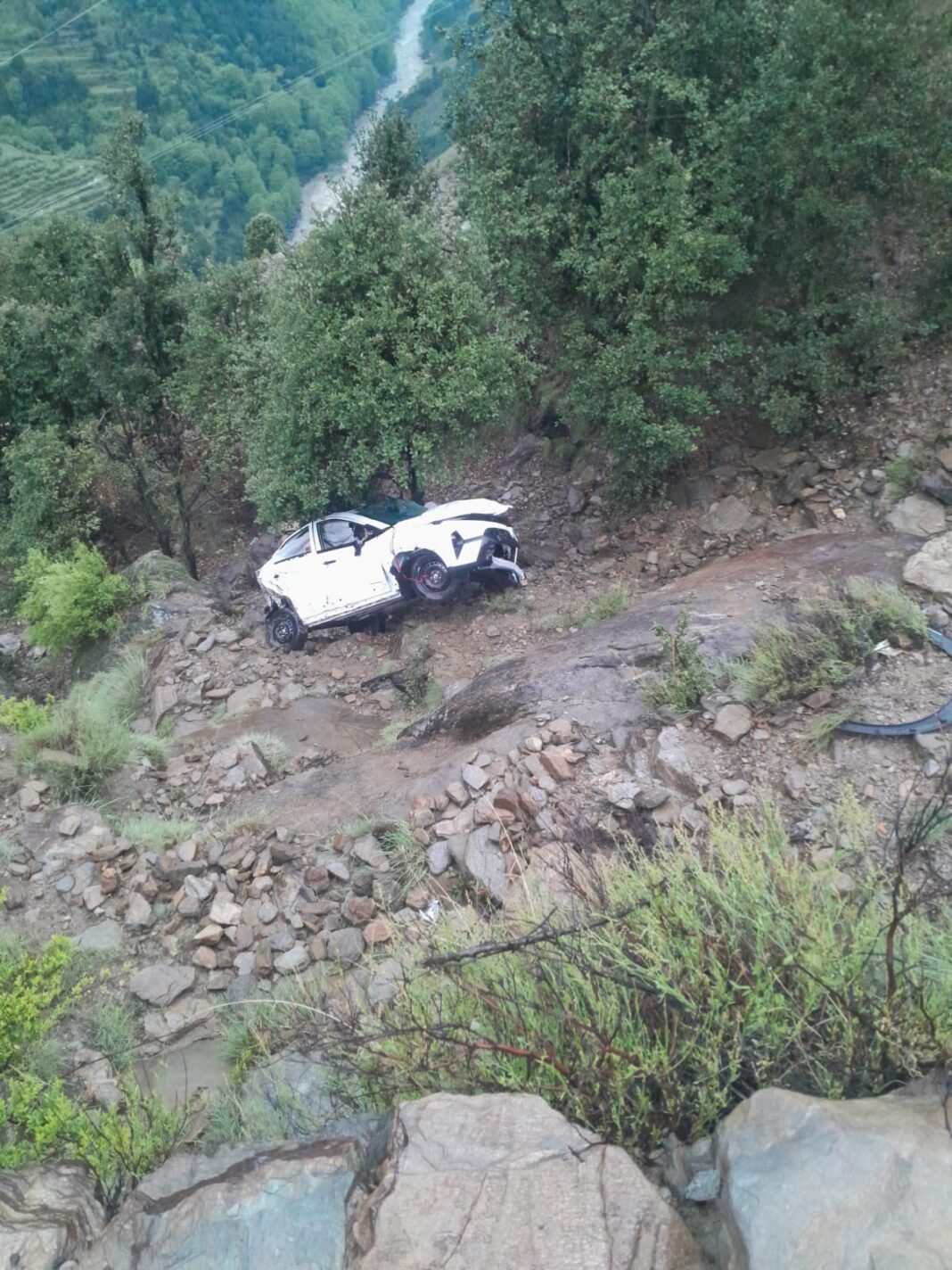
Jammu, (DD): The recent devastation in Ramban town and its surrounding areas along National Highway 44—marked by debris flows and flash floods on April 20, 2025—is not a mere natural disaster. It is, in essence, a reawakening of long-dormant and obstructed natural drainage systems, ignored for far too long.
As someone who spent his childhood in the region, I vividly remember the 7-kilometer daily trek to school. The first significant site that comes to mind is the Seri debris flow. Along the old NH1A at Seri, a cluster of hotels thrived near what is now a CRPF camp en route to Banihal. Just meters beyond these eateries, a modest perennial stream flowed from the upper village of Thalibas. During heavy rains, this seemingly minor stream would regularly deposit fine sediment on the road. Today, that landscape has changed drastically—thanks to massive construction, highway realignment, local road building, and indiscriminate muck dumping. These developments have completely blocked the natural flow of that stream, directly contributing to the current crisis.
The Shan Palace landslide is another example. This is not a new hazard but the reactivation of an old, unstable slope—etched sharply in my memory. I recall the commendable efforts of Col. Isher, then officer-in-charge of the BRO, who tirelessly sought to resolve this persistent issue. I once accompanied him to the upper reaches of Shan Palace during one such attempt to find a permanent solution. Though his efforts were ultimately constrained, his commitment remains a poignant memory. Over time, rapid and unchecked construction in the vicinity has further encroached upon the natural drainage path. Its reappearance today is a grim reminder of past warnings ignored—warnings that have repeatedly manifested in debris flows, damaging even the prominent Shan Palace hotel on several occasions.
The flooding near the trauma hospital in Ramban is yet another stark reminder. Many from my generation will remember the broad channel that once flowed where the current access road to the trauma hospital lies—between Parihar Mohalla and Raju Mohalla of Dussra Ward. That critical infrastructure was built directly atop an old watercourse, raising serious concerns about planning, risk assessment, and long-term foresight.
Middle School Ramban and Higher Secondary School Ramban—where I received my early education—have also seen destruction due to flash floods. Years ago, a sudden deluge caused substantial damage in the area. A perennial stream known as Nag Wali Nali once flowed from Nai Basti, turning sharply near my friend Rafiq’s house (opposite the PHE Department). The stream carried debris towards Ramban Market, trickling through the grounds of the Higher Secondary School and Girls’ High School near the old DC office. At the time, there was no proper outlet for this water, and today the situation has worsened. Heavy construction and extensive concretization have increased surface runoff dramatically, with less water being absorbed into the ground. We’ve sealed the earth without understanding the consequences.
Another important location I want to discuss is the Ramban Nala, which has a long history of flooding. More than 30 years ago, the Ramban Nala completely devastated one entire side of the Bowli Bazar market which again took the shape a few years back. While it has remained relatively calm in recent years with only occasional minor incidents, the same pattern of obstruction has emerged there as well. Infrastructure buildup within the channel of the Ramban Nala, which had been dormant for years, has led to its resurgence today, causing destruction.
This current disaster is not an act of fate—it is a consequence of our collective actions and decisions. Across Ramban, similar vulnerabilities now exist. Despite repeated warnings and visible signs, these concerns are often dismissed or overlooked. My intention is not to blame any individual or institution but to highlight our persistent failure to recognize, respect, and preserve natural drainage systems. Our short-term planning and disregard for long-term environmental stability have brought us to this point.
I write this not out of frustration but with hope—to awaken public consciousness. Our resilience lies in learning from the past. We must rethink development practices, prioritize sustainable planning, and ensure that infrastructure is built in harmony with nature, not in opposition to it.
Let this devastation serve as a turning point. Let it remind us that unless we begin to respect natural systems and invest in resilient development, such disasters will not only continue—but worsen. (DD)

Dr Yudhbir Singh
Associate Professor
Department of Geology University of Jammu