
TDD Special Correspondent
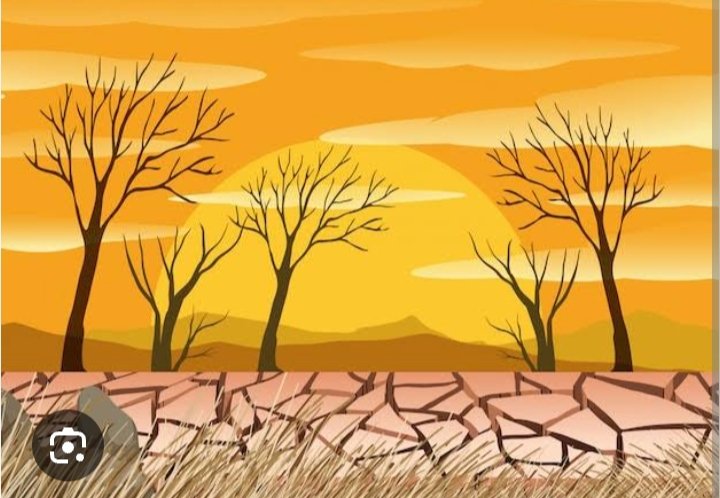
Srinagar, TDD,As La Niña casts its shadow over Kashmir, declining water levels in the Valley’s rivers, lakes, and streams have raised alarms among experts and local communities.
This (La Nina) is a climatic phenomenon, known for altering global weather patterns, could further strain the region’s fragile water resources by disrupting precipitation cycles.
The receding flow of major rivers like the Jhelum is already a concern, with reduced snowfall and glacier melt compounding the problem. Experts warn that La Niña could lead to drier conditions, intensifying the crisis.
Dr. Nisar Qadri, a climatologist, explains, “La Niña often disrupts monsoon patterns, and for a region like Kashmir, it could mean less rainfall and snowfall during critical months. This is particularly dangerous for a valley heavily dependent on glacier-fed rivers.”
The situation is mirrored in smaller streams and lakes, which are drying up faster than usual. “We are witnessing drastic changes in river flows that directly affect irrigation and drinking water supply,” said Shabir Malik, a local water conservationist.
Agriculture, the backbone of Kashmir’s economy, is particularly vulnerable to water shortages. Farmers are grappling with reduced irrigation supplies while facing the uncertainty of unseasonal weather.
Dr. Asma Khan, an agricultural scientist, highlights, “The shrinking water availability not only affects crop yields but also disrupts planting cycles. La Niña-induced anomalies could bring extreme weather, such as untimely rains or prolonged dry spells, further endangering staple crops like rice and apples.”
Farmers are already feeling the pinch. “Our orchards and paddy fields are drying up. If this continues, we may not have enough water to sustain next year’s crops,” said Abdul Latif, a farmer in Anantnag.
The rapidly retreating glaciers in the Himalayas, often termed “water towers of Asia,” are another critical concern. Experts fear that reduced snowfall caused by La Niña could accelerate glacial melt, creating long-term water shortages.
Dr. Meher Fatima, a glaciologist, warns, “Our glaciers are shrinking at unprecedented rates. Without adequate snow recharge, these natural reservoirs won’t sustain river flows in the coming decades.”
To tackle the impending crisis, experts stress the need for robust water management strategies and climate resilience measures.(TDD)