
‘Mercury plunges to -2 in Srinagar amid frosty start of morning’
TDD Correspondent
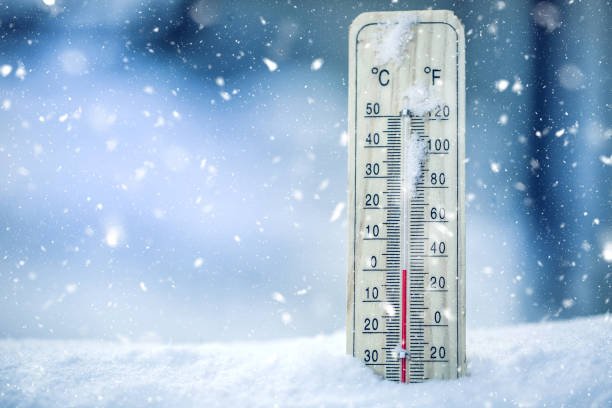
Srinagar, TDD,The icy grip of winter has tightened across Jammu, Kashmir, and Ladakh, with the popular tourist destination of Sonamarg recording an extreme low of -12.5°C, the coldest so far this season. The capital city of Srinagar also shivered at -2.0°C, marking another frigid chapter in the region’s winter narrative.
Sonamarg, now blanketed in frost and snow, offers a stunning yet harsh landscape that draws tourists despite the biting cold. Other winter favorites like Gulmarg and Pahalgam have not been spared, recording -9.6°C and -9.4°C, respectively. These destinations, while enduring severe cold, remain bustling with visitors captivated by the allure of snow-covered vistas and winter sports activities.
Ladakh, a region synonymous with extreme conditions, faces an even harsher winter. Leh recorded a freezing -12.4°C, while Kargil followed closely at -12.0°C. The Zojila Pass, a vital link between Kashmir and Ladakh, saw temperatures plummet to a bone-chilling -23.0°C, rendering the pass treacherous and largely inaccessible under thick layers of snow.
The plains and lower hills of Jammu have also felt the winter chill. Jammu city recorded its coldest night this season at 4.5°C, while Samba dipped below freezing to -0.3°C, and Udhampur settled at 0.2°C. Reasi and Bhaderwah froze at 2.9°C and -3.0°C, respectively, showcasing the reach of the winter chill beyond the higher altitudes.
Despite the severe drop in temperatures, life in the region presses on. Locals combat the cold with traditional warming practices like Kangris and hearty winter meals. The season also brings unique opportunities for visitors, from skiing in Gulmarg to trekking through the icy trails of Pahalgam. The Valley’s enchanting frozen rivers and snow-clad trees remain a photographer’s paradise.
However, the challenges of winter persist. Frozen water pipes, slippery roads, and power outages have become common, while remote areas like Zojila struggle with disrupted transportation and limited supplies. Authorities continue efforts to clear roads and ensure the delivery of essential services, especially in high-altitude regions.
As per the Meteorological Department, the region is unlikely to experience any wet weather until December 20, offering some respite from further disruptions. For now, the frozen beauty of Jammu, Kashmir, and Ladakh stands as a testament to both the harshness and splendor of Himalayan winters.(TDD)