
Diplomat Special Correspondent
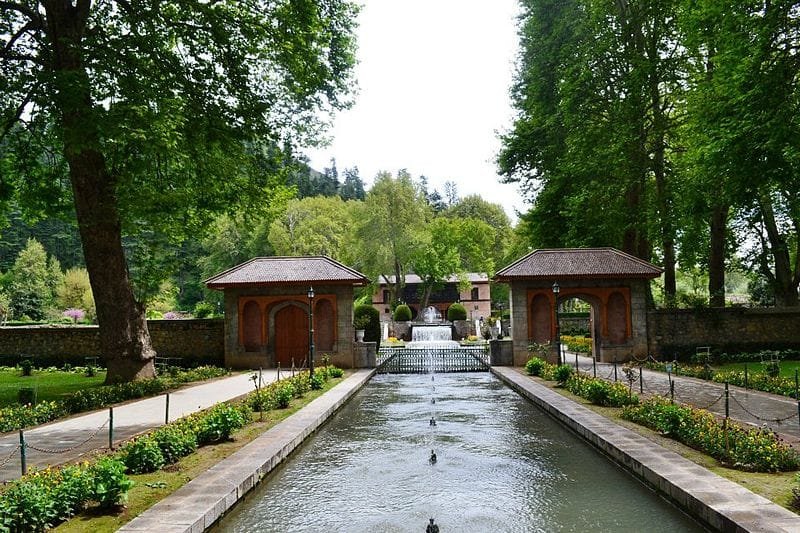
Srinagar, (DD)In the heart of Anantnag district of South Kashmir, nestled among the emerald meadows and ancient chinars, the Achabal spring had long been a source of life. For centuries, its crystal-clear waters gushed forth from the mountains, cascading into the historic Mughal garden that bore its name.
Poets wrote of its beauty, travelers marveled at its serenity, and generations of Kashmiris relied on it for sustenance.
But this winter, for the first time in recorded history, the Achabal Spring fell silent.
The people of Achabal had always known their winters to be harsh but fair. Snow would blanket the mountains, feeding the underground reservoirs that sustained the spring. By March, the thaw would send fresh torrents rushing through the ancient waterways, ensuring the fields, orchards, and homes remained nourished.
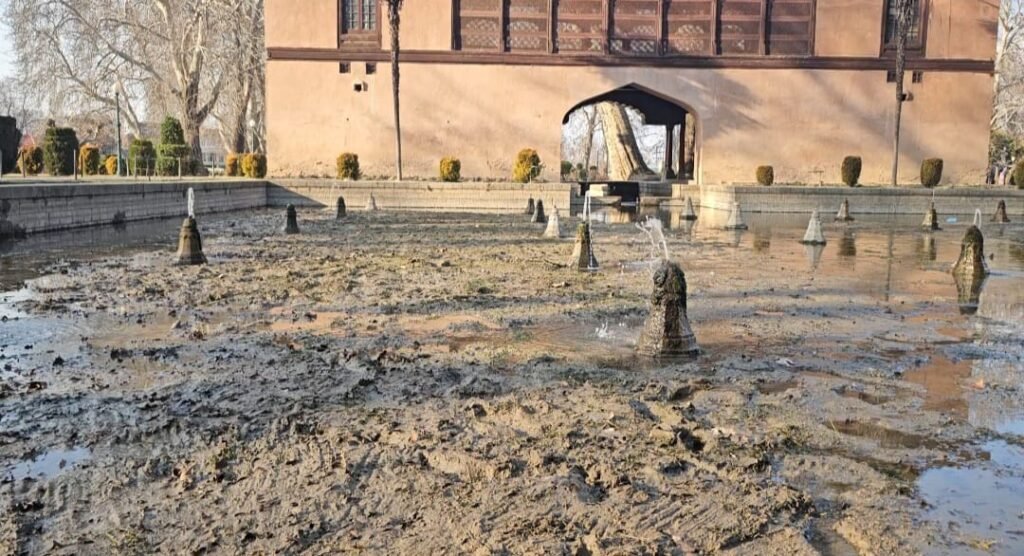
This year, however, the sky remained a stubborn shade of gray. Snowfall was meager, and the land, thirsty and cracked, awaited a reprieve that never came. Slowly, the Achabal spring began to shrink, its once-boisterous currents reducing to a timid trickle. Then, in early February, the water ceased altogether.
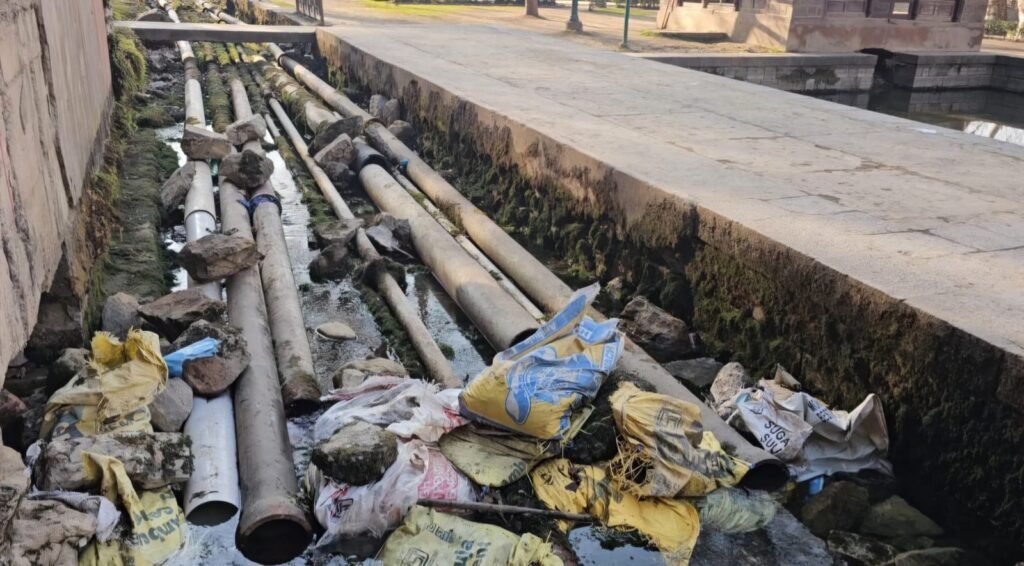
The silence of the spring was met with disbelief. Elders never imagined they would witness the drying of Achabal. The garden, once alive with cascading fountains and the chatter of tourists, stood eerily still. The Aripath Nallah, which carried the spring’s water to distant villages, lay bare, its bed cracked like parched lips.
A sense of urgency gripped the area. Over a dozen water supply schemes that depended on the spring were now defunct. Villagers queued up for water tankers, their lives upended by an event that seemed almost mythical in its tragedy.
Experts scrambled to explain the crisis, pointing to the undeniable signs of climate change. Rising temperatures, erratic precipitation, and dwindling snowfall had weakened the region’s water cycle. The groundwater recharge that had sustained Achabal for centuries had been disrupted. “This is not just a dry spell,” a hydrologist warned. “This is a warning.”
For the farmers, orchardists, and shepherds of Anantnag, the fear was not just for today but for the years to come. If Achabal, a spring believed to be eternal, could dry up, what did the future hold for the countless other water sources across Kashmir?
Even as panic spread, discussions turned to solutions. Conservationists urged the government to take immediate action—reforestation, check dams, and sustainable water management could still reverse some of the damage. Locals, too, vowed to do their part, pledging to protect their fragile environment from further harm.
In the hushed gardens of Achabal, where water once danced through stone-carved channels, an uneasy stillness remained. The question on every lip was the same: Would the spring return? Or had Kashmir lost yet another piece of its heritage to the growing wrath of a changing climate? Only time—and the skies—would tell (DD)