By Prof Yudhbir Singh, Associate Professor, Department of Geology, University of Jammu.
Floods are becoming an increasingly serious global concern, affecting even the most developed nations like the United States. In India, the 2025 monsoon season brought unprecedented devastation, particularly in Himachal Pradesh and Jammu and Kashmir. These events highlight the growing urgency of a complex issue—one driven by both natural processes and human actions.
One of the primary contributors is climate change. A warming atmosphere holds more moisture—about 7% more water vapor for every 1°C rise in temperature—leading to heavier and more intense rainfall events. This increased moisture results in extreme downpours that can overwhelm even well-planned drainage systems. Many areas, including those not traditionally prone to heavy rain, are now experiencing flash floods with alarming frequency.
Furthermore, rising temperatures accelerate snow and glacier melt, significantly increasing river volumes, especially in mountainous regions like the Himalayas.
Equally critical is the impact of rapid urbanization and changing land-use patterns. As population growth fuels the expansion of towns and infrastructure, large open areas are being replaced with concrete and asphalt.
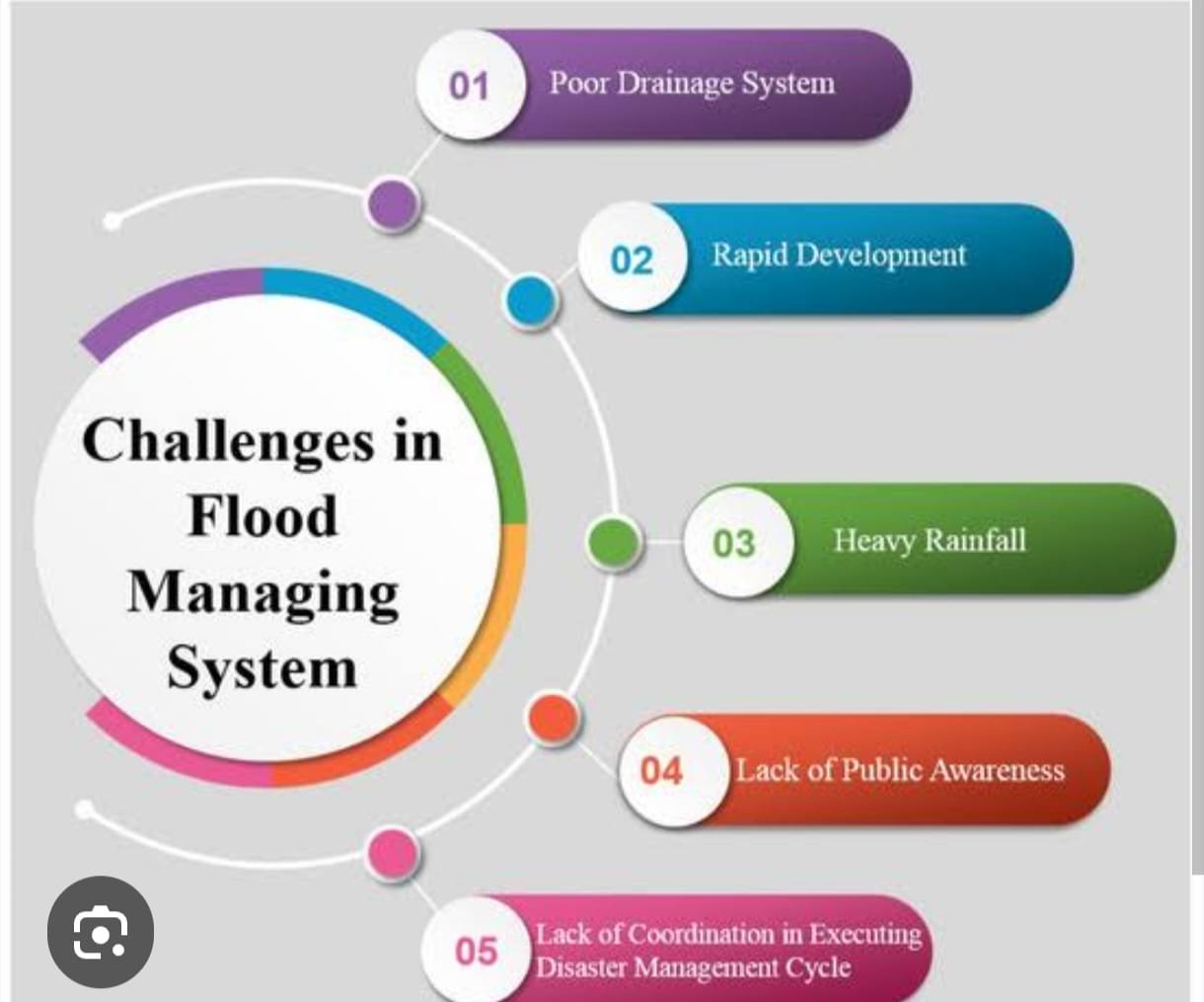
These impervious surfaces prevent rainwater from seeping into the ground, leading to faster runoff and overburdening both natural and built drainage systems. The result: frequent and often severe flooding.
Another major factor is the widespread encroachment on natural floodplains, wetlands, and forested areas. These ecosystems act as natural buffers, absorbing excess rainfall and reducing the speed and volume of water flow. Their degradation removes a crucial line of defense, leaving communities more exposed to nature’s fury.
Unfortunately, our response to these threats remains largely reactive. Temporary fixes and ad-hoc measures continue to replace long-term planning and structural reforms. Many urban and semi-urban areas still rely on outdated drainage and flood management systems, which are ill-equipped to handle the increased intensity of today’s weather events. We need to modernize this infrastructure, enforce strict regulations on construction—especially near rivers and slopes—and promote sustainable land-use practices. Public awareness and behavioral change at the grassroots level are equally vital.
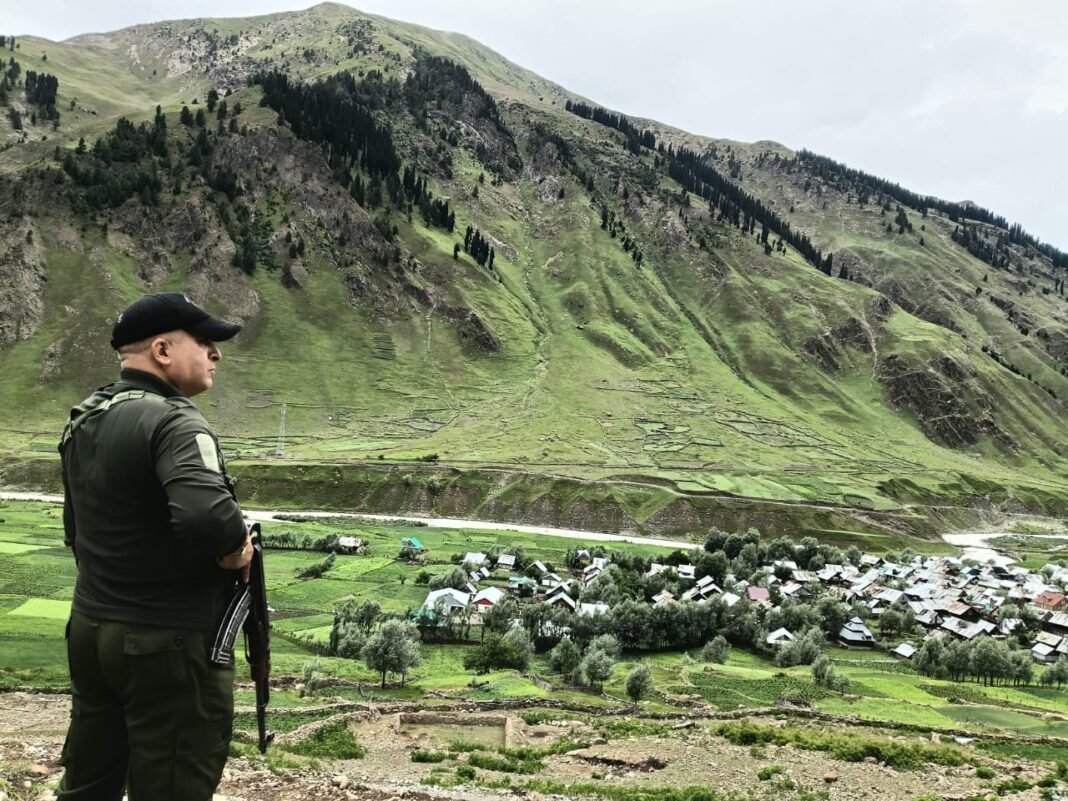
The situation is particularly precarious in Himalayan states like Himachal Pradesh and Jammu and Kashmir. These fragile regions are inherently vulnerable due to their topography, but the risks are being magnified by unregulated and unscientific development. One of the most concerning trends is the rampant construction on hillsides, often without proper slope stabilization. Natural drainage channels are clogged or diverted, and protective buffer zones along rivers and streams are frequently ignored. The rapid increase in hotels, residential complexes, and road infrastructure has led to significant encroachment on riverbanks and floodplains—structures that often become the first casualties during disasters.
Additionally, the ongoing loss of forest cover in the name of development is compounding the crisis. Forests serve as natural anchors, with tree roots holding the soil together and reducing erosion. Deforestation for agriculture, infrastructure, or other purposes weakens slope stability, increasing the risk of landslides during heavy rainfall.
Through this message, I urge the people of my Union Territory—and the broader Himalayan region—to understand that development at any cost is not sustainable. It comes with immense human, environmental, and economic consequences. If we are to grow stronger and secure a safer, more sustainable future, we must adopt a holistic, preventive, and people-driven approach.
Let us not wait for the next disaster to act. Let us act now—with responsibility, foresight, and unity.
Disclaimer: The views expressed in this article are the personal observations of the author in their individual capacity as a diplomat. They do not necessarily reflect the official position or policy of the government or any affiliated institution.

Dr Yudhbir Singh
Associate Professor
Department of Geology University of Jammu