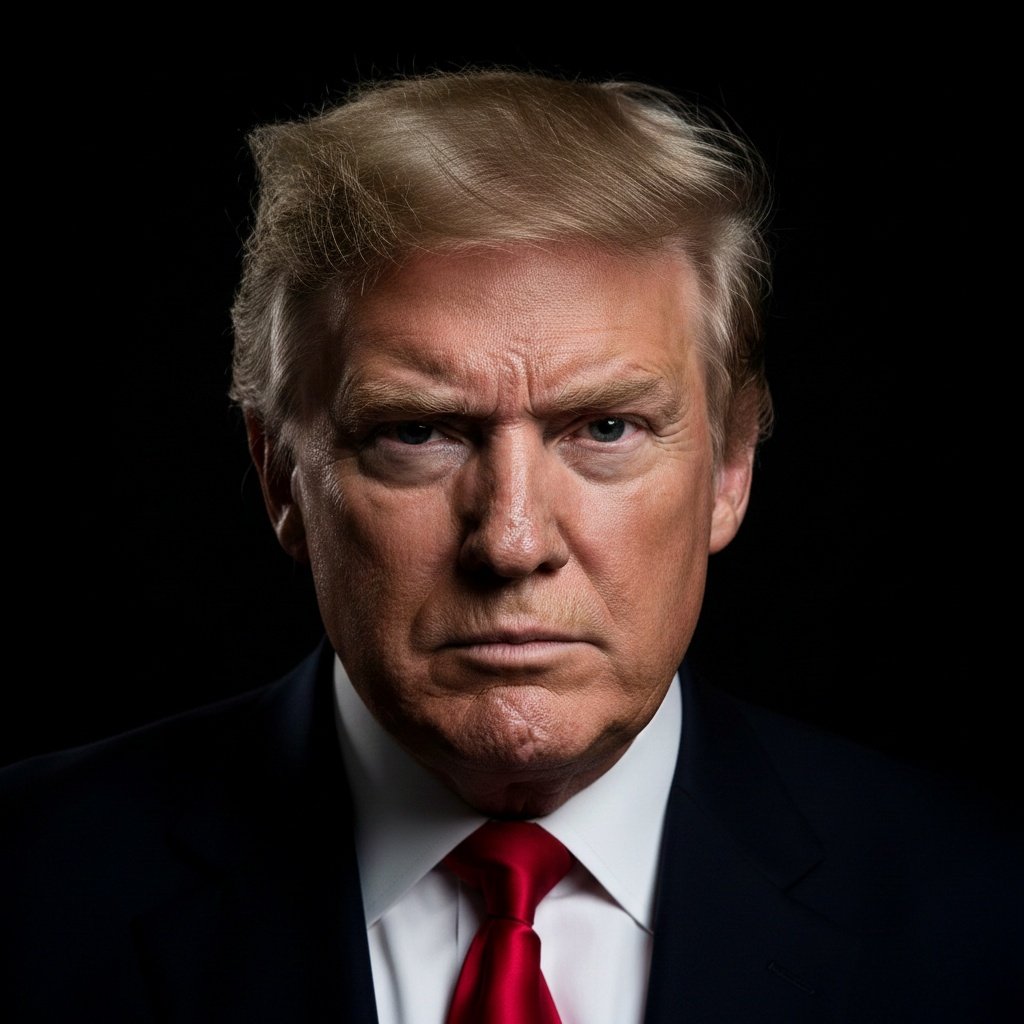

United States President Donald Trump, who has positioned himself as a promoter of global stability and a self-described “peace president,” has overseen military actions in several countries and issued threats against others since early January 2026, prompting international concerns over inconsistencies in American foreign policy.
Why this matters
Trump’s approach highlights a tension between his claims of using U.S. strength to deter conflict and actual interventions that risk escalating regional disputes and straining alliances. Military operations, such as the capture of Venezuelan leadership, aim to address issues like narcotics trafficking and resource control but challenge norms of sovereignty under the United Nations Charter. Threats against NATO allies, including Denmark over Greenland, could fracture the 32-member transatlantic security pact established in 1949. For the global community, this signals a potential shift toward unilateral U.S. actions, affecting stability in Latin America, the Arctic, and the Middle East, where economic interests like oil and trade routes intersect with security concerns.
What is known so far
The administration’s engagements intensified following Trump’s inauguration in January 2025 for a second non-consecutive term. Key actions include a U.S. military operation on January 3, 2026, in Venezuela, a South American country with the world’s largest proven oil reserves, resulting in the capture of President Nicolás Maduro and his wife on narcotics charges. Additional airstrikes targeted Islamic State-affiliated groups in Nigeria, Africa’s most populous nation. Reports from outlets like Politico and Axios indicate U.S. involvement in operations across at least eight countries, including counterterrorism efforts in Yemen and Syria. Threats have been directed at up to 11 nations, often tied to strategic, economic, or anti-drug objectives, drawing criticism for potentially violating international law.
As of January 11, 2026, Trump continues to issue public warnings, including repeated statements about acquiring Greenland, an autonomous Danish territory in the North Atlantic rich in rare earth minerals, to counter Russian and Chinese influence. Other threats target Iran in the Persian Gulf region, with warnings of readiness to act if protesters are harmed; Cuba, a Caribbean island facing economic turmoil after losing Venezuelan support; Colombia in South America over drug issues; Mexico in North America against cartels; Panama in Central America regarding the Panama Canal; and Canada, the U.S.’s northern neighbor, with annexation hints. Nordic nations are discussing enhanced defenses, including nuclear considerations, in response. The U.S. Senate advanced a resolution to curb military authority in Venezuela, while House Democrats opposed unauthorized force in Mexico.
U.S. President Donald Trump stated in a January 8, 2026, interview with The New York Times that regarding Venezuela and its allies, “Cuba is going to fail,” emphasizing disrupted oil arrangements. On Greenland, Trump remarked on January 9, 2026, that the U.S. would intervene “whether they like it or not.” Danish officials responded that such threats undermine NATO unity. Colombian President Gustavo Petro said on January 7, 2026, that U.S. warnings constitute interference in sovereign affairs.
(This article was first published on The Chenab Times where author Anzer Ayoob is the founder and Editor in Chief)

Anzer Ayoob is a journalist and author based in Jammu and Kashmir. He is the founder and current Editor in Chief of The Chenab Times. He is also president of Chenab Times Foundation, a registered charitable trust focused on art, culture and addressing public grievances.