New Delhi: The death toll among Pakistani security force personnel has reached 15, while 18 civilians have also lost their lives after multiple attacks were carried out by separatist fighters of the Baloch Liberation Army (BLA) across Balochistan on January 31, 2026.
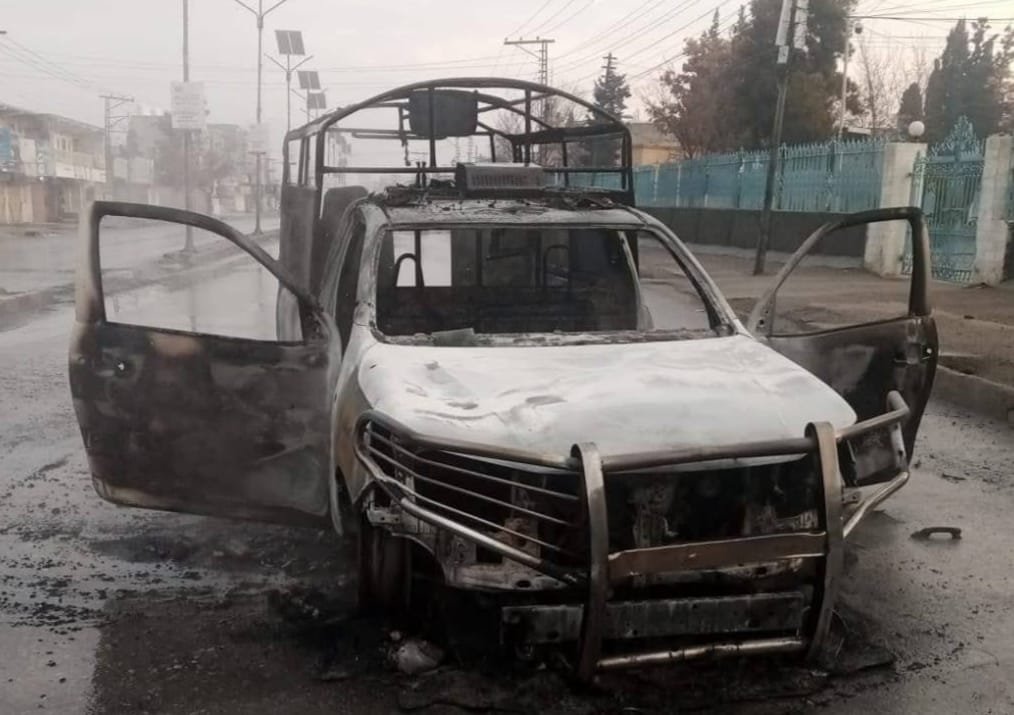
The simultaneous attacks at nine locations in major cities of Balochistan, including Quetta and Gwadar, led to heavy engagements with the Pakistani Army, paramilitary forces, and police. The assaults reportedly caused significant casualties and damage to security infrastructure under what has been described as “Operation Herof.”
Meanwhile, the Pakistan Army has claimed it has killed 92 fighters. However, gunfights have been reported in various areas, accompanied by deadly explosions, resulting in further casualties among Pakistani security forces.
Pakistani security agencies have imposed a siege across Balochistan, with many people taken into custody amid the ongoing operation against Baloch liberation fighters, who are believed to have received support from some civilians.
As intense fighting continues in towns and cities across the province, the BLA and Pakistani forces have been exchanging heavy gunfire and mortar attacks in several areas.
During the operation, the BLA claimed it inflicted heavy losses on the Pakistani Army and damaged its security infrastructure, though these claims remain unverified.
Authorities have blocked mobile phone and internet services in the conflict-ridden region and deployed additional manpower and heavy machinery to counter separatist forces on the second consecutive day of violence.
Balochistan’s separatist movement seeks greater control over the province’s resources, which it says could lead to development, employment, and political empowerment -areas they claim have been neglected for decades.
Balochistan remains one of Pakistan’s most heavily militarised provinces, where the role of the Army and intelligence agencies has come under scrutiny from human rights groups. These groups have raised concerns over alleged suppression of independent political voices, forced disappearances, and exploitation of resources by the non-Baloch population.
Such tactics, critics argue, have had a damaging impact on Balochistan’s economy and development, leaving much of the ethnic population marginalised, unemployed, and vulnerable.DD

Chief Editor
Diplomat Digital